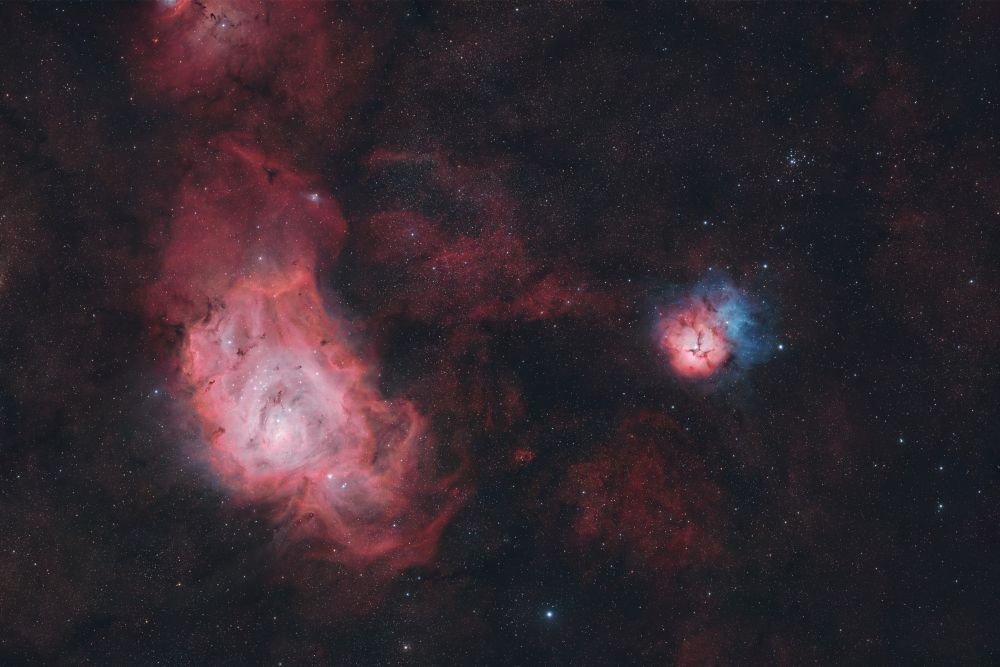
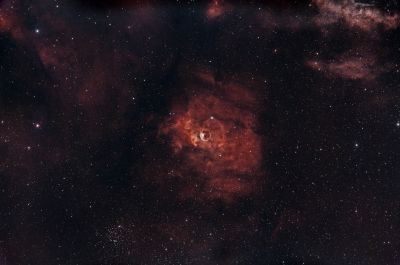
M8 Lagoon is one of only two star-forming nebulae visible without a telescope from mid-northern latitudes (the other is the famous M42 in Orion). All other stellar "maternity wards" are only accessible through optics.
Estimates suggest the star formation rate in M8 is about 10 times higher than the rate of the same process in the Orion Nebula.
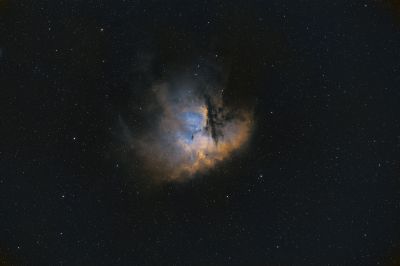
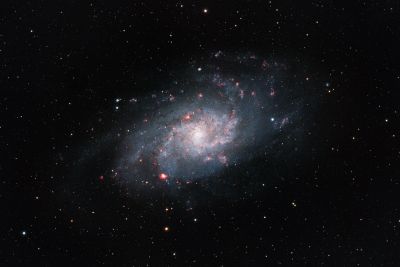
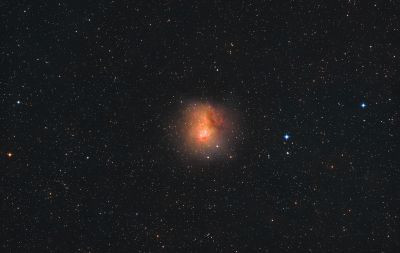
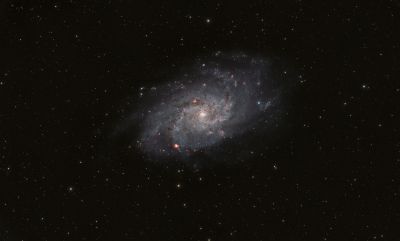
M20 — three types of nebula in a single object — a unique "museum." It is simultaneously an emission nebula (red hydrogen zone), a reflection nebula (blue dust zone to the north), and a dark nebula (black "veins" of Barnard 85), plus an open star cluster. There are truly few such cosmic "combos."
It is only about 300,000 years old — almost newborn. M20 is one of the youngest nebulae in the sky. The star cluster at its center may be the youngest in the entire Milky Way.
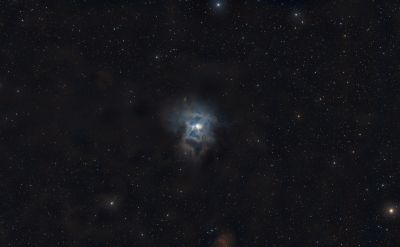
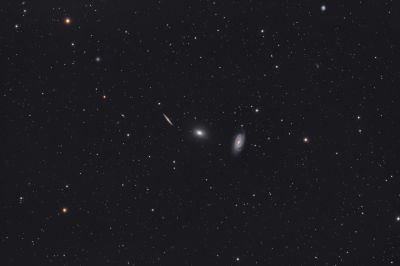
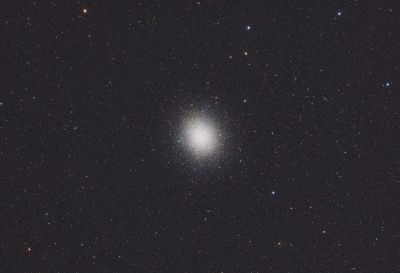
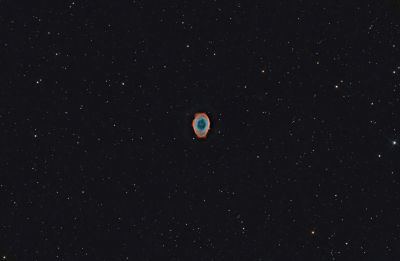

Comments
How did you end up in the Maldives anyway? What's the Bortle class like there?
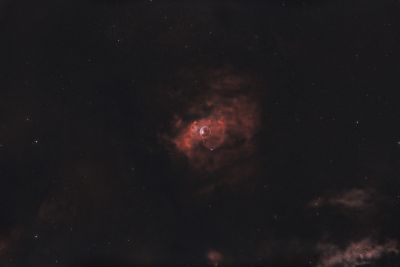
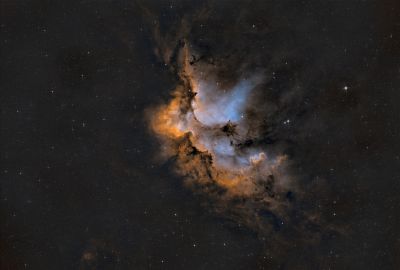
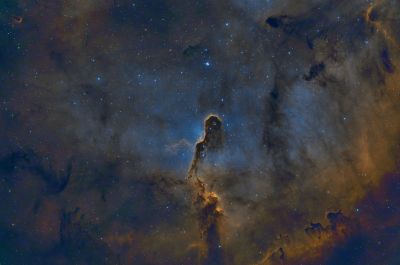
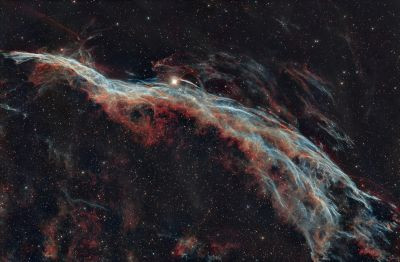
Yes, this telescope unexpectedly shows very good resolution.
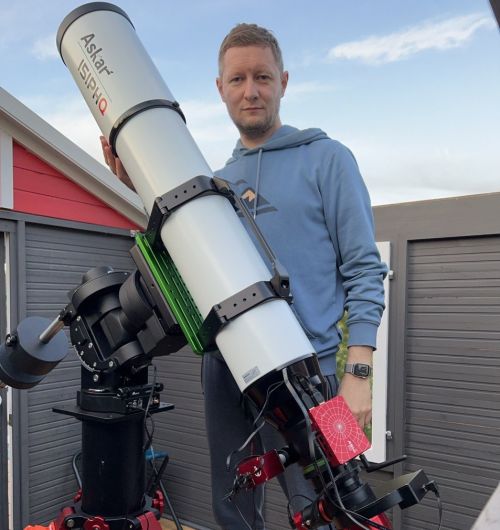
I went to the Maldives on a family vacation, but I couldn't miss such an opportunity and brought along a setup I considered portable.
Essentially it is, but it turned out to be less portable than I expected — the whole kit weighed about 20 kg and took up an entire suitcase.
The location is quite dark, and the island itself has almost no local light pollution — all nighttime lighting is dim, and the lamps shine downward, not upward like in many of our cities. According to the light pollution map, it's currently Bortle 4 with an SQM of 21.51.
Comments are available only to registered users. Register or log in to leave a comment.