Thank you for sharing your photos - this is exactly what this project is all about! :-)
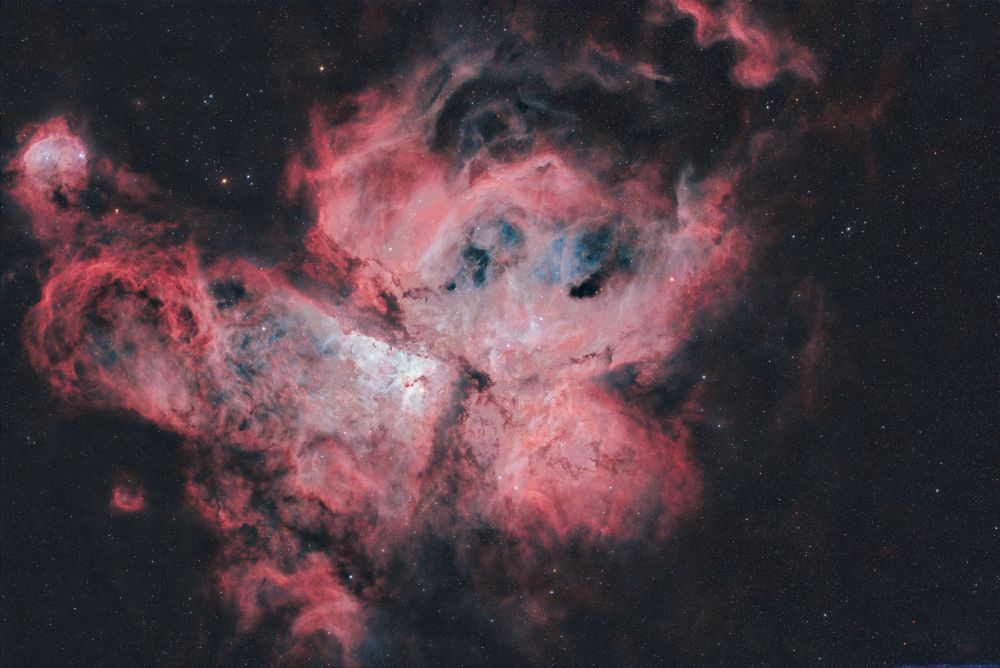
The Carina Nebula is a giant star-forming region in the southern hemisphere, one of the largest and brightest in our Galaxy. Its angular size is about 2° in the sky, roughly four times larger than the Moon.
It is located approximately 7,500–8,500 light-years away in the Carina–Sagittarius Arm. In actual size, it is a monster: over 300 light-years across.
Inside NGC 3372 live some of the most massive and brightest stars of the Milky Way — including the famous Eta Carinae (η Carinae). This is an unstable giant that flared up in the 19th century, nearly matching Sirius in brightness and becoming the second brightest star in the sky.
During the "Great Eruption" of 1837–1856, Eta Carinae ejected a huge amount of material and created a mini-nebula around itself — the Homunculus Nebula, a two-lobed cloud that Hubble now photographs with incredible detail (https://www.deepskycorner.ch/obj/ngc3372.en.php).
Inside NGC 3372 there are several distinct "mini-worlds": the Keyhole Nebula — a dark cloud of gas and dust against a background of glowing gas; the "Mystic Mountains" — pillars of gas that are literally eroded by winds and radiation from young stars, similar to the famous "Pillars of Creation" in the Eagle Nebula, but even more massive.
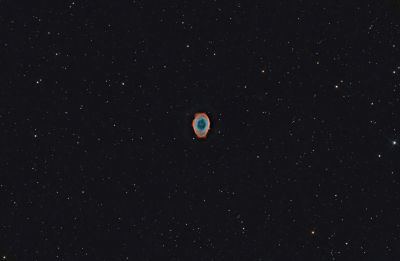
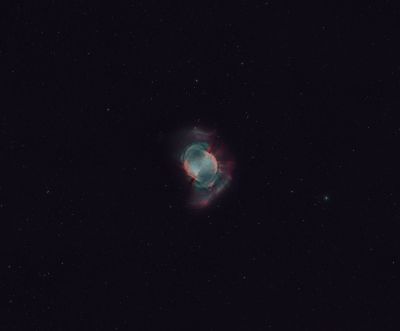
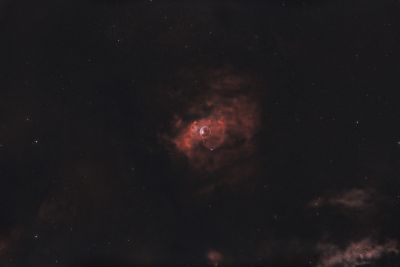
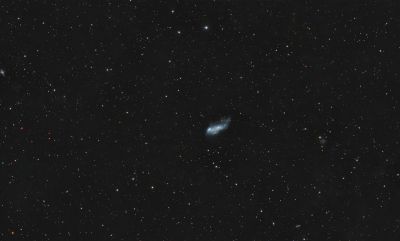
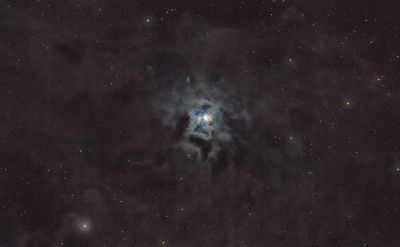
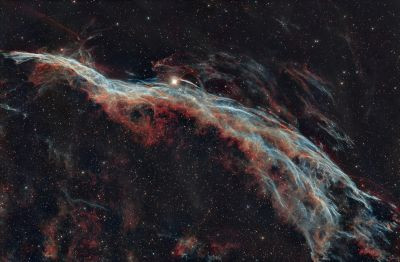
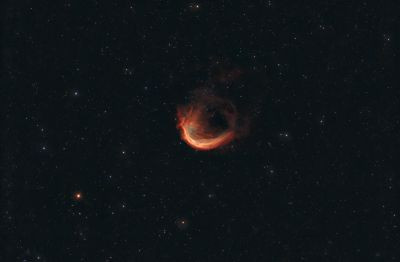
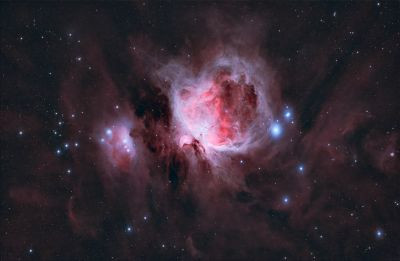
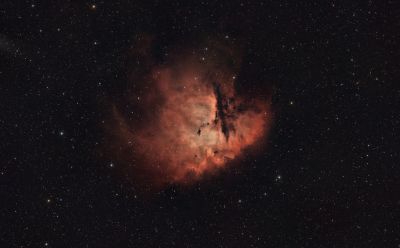
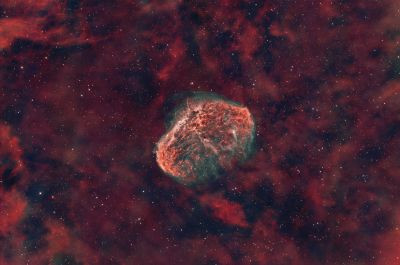
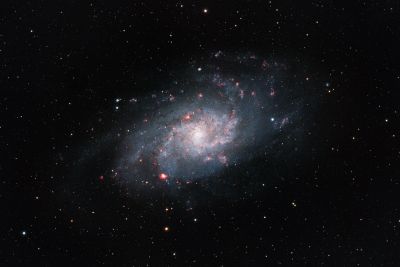
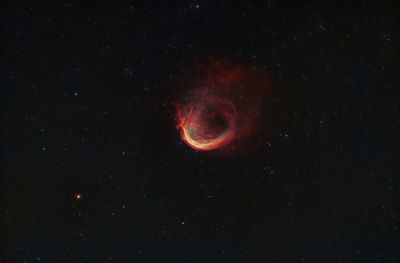
Yes, I’m already back ((, and there really is a lot to shoot there, with the sky being pitch black — awesome!
But I ran into some technical issues there, so I couldn’t complete my entire shooting plan.
I have a couple more objects in the backlog, I’ll upload them soon once I process them.
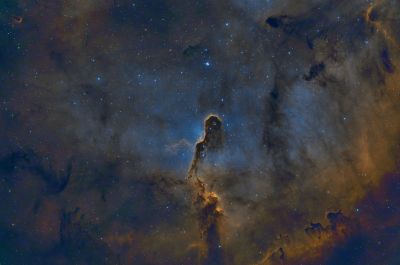
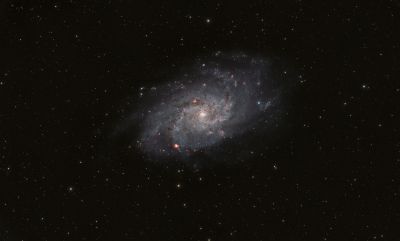
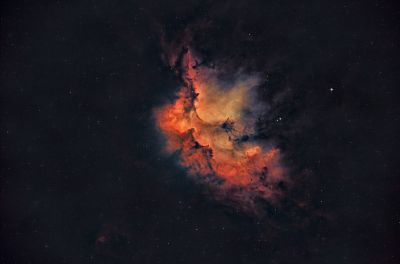
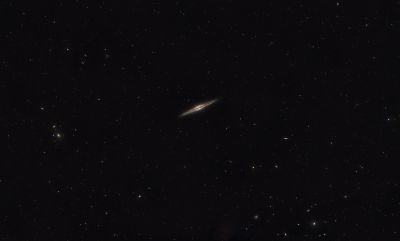

Comments
But I ran into some technical issues there, so I couldn’t complete my entire shooting plan.
I have a couple more objects in the backlog, I’ll upload them soon once I process them.
Good luck!
We're waiting for the photos.
Comments are available only to registered users. Register or log in to leave a comment.