Thank you for sharing your photos - this is exactly what this project is all about! :-)
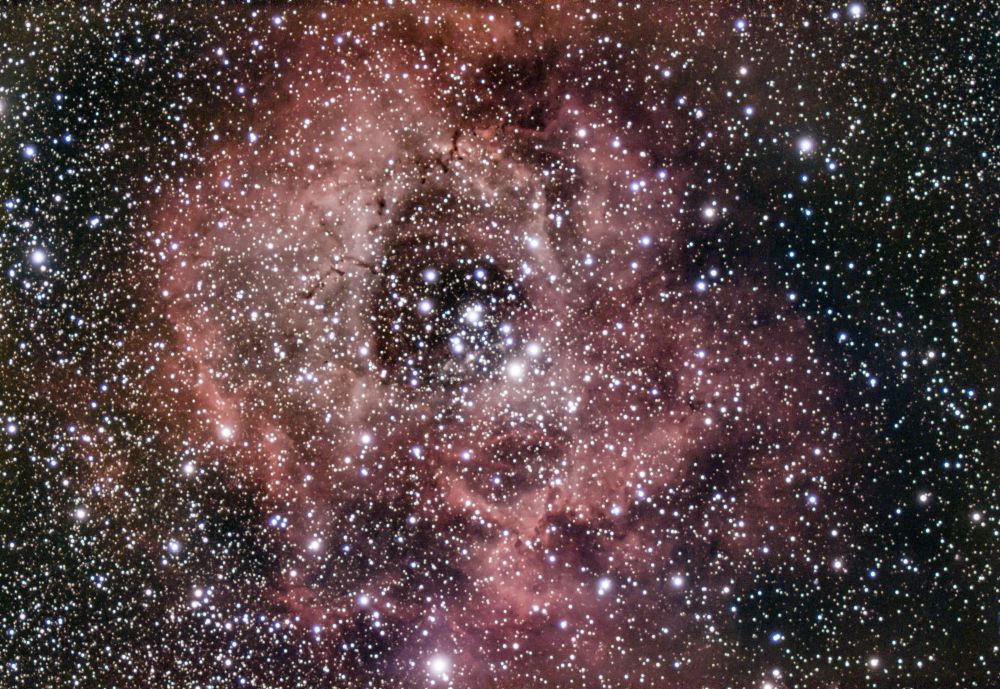
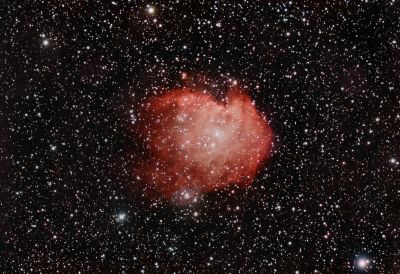
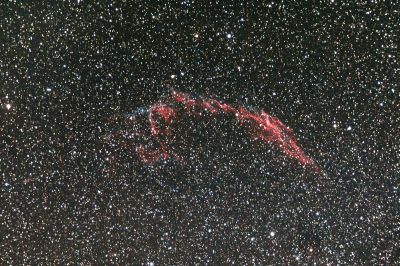
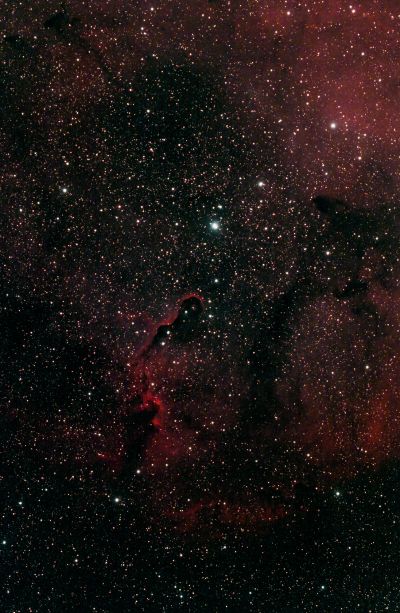
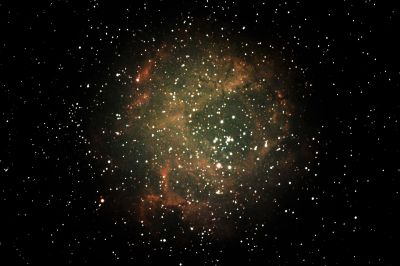
The Rosette Nebula, also known as NGC 2237, is a giant emission nebula located in the constellation Monoceros. It is located at a distance of approximately 5200 light-years from Earth and has a diameter of about 130 light-years. The nebula consists of several parts, including NGC 2237, NGC 2238, NGC 2239, and NGC 2244, the last of which is an open star cluster in the center of the nebula.
The Rosette Nebula is known for its star formation processes and abundance of hydrogen, which gives it a characteristic red hue in photographs. At the center of the nebula are the bright blue stars of the open cluster NGC 2244. Dark dust filaments permeate the entire nebula, and observations show the presence of fast-moving molecular clumps, the origin of which remains a mystery.
A survey of the nebula with the Chandra X-ray Observatory in 2001 revealed the presence of very hot young stars in the center of the nebula. These stars heat the surrounding gas to a temperature of about 6000 thousand kelvins, causing it to emit X-rays. Their winds and powerful radiation blow material out from the center of the nebula, which is thought to lead to the formation of globules of dust and gas, which can then become sites for the formation of new stars and planets.
Add comment
Comments
There are no comments on this picture yet
Comments are available only to registered users. Register or log in to leave a comment.

Comments
There are no comments on this picture yet
Comments are available only to registered users. Register or log in to leave a comment.