Now the nights are already dark, you can start at 20:00 and finish around 5 in the morning, roughly.
Almost 9 full hours!
In August, I had nights where I could only get about 1.5 hours of usable time
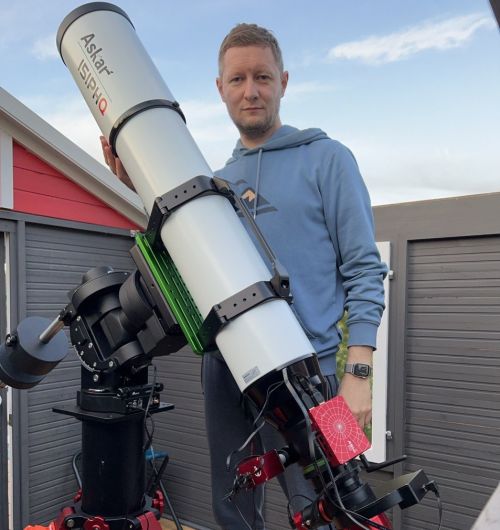
+ I also have a slow telescope with f/7
So it's quite possible to try and get a decent image over 3-4 nights
In one night, it's unlikely, the object is just too faint
Honestly, it's not clear yet.
It definitely doesn't work magic, that's for sure.
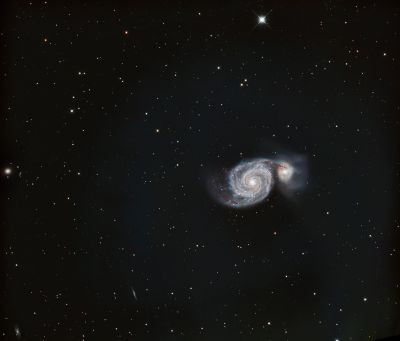
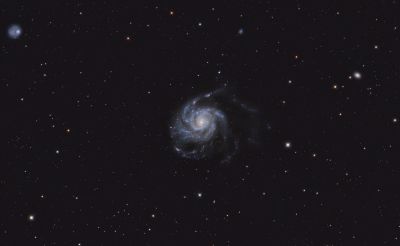
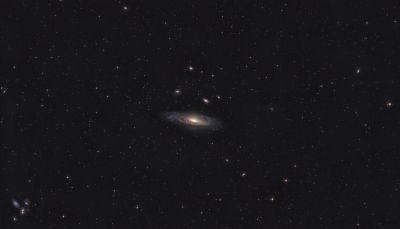
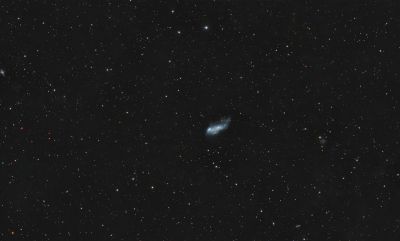
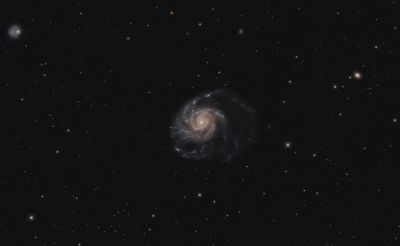
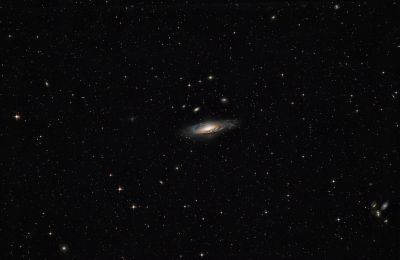
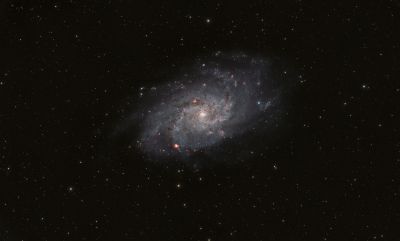
On galaxies, it removes a noticeable amount of signal—I tried shooting M101 with it and ended up shooting without any filters at all.
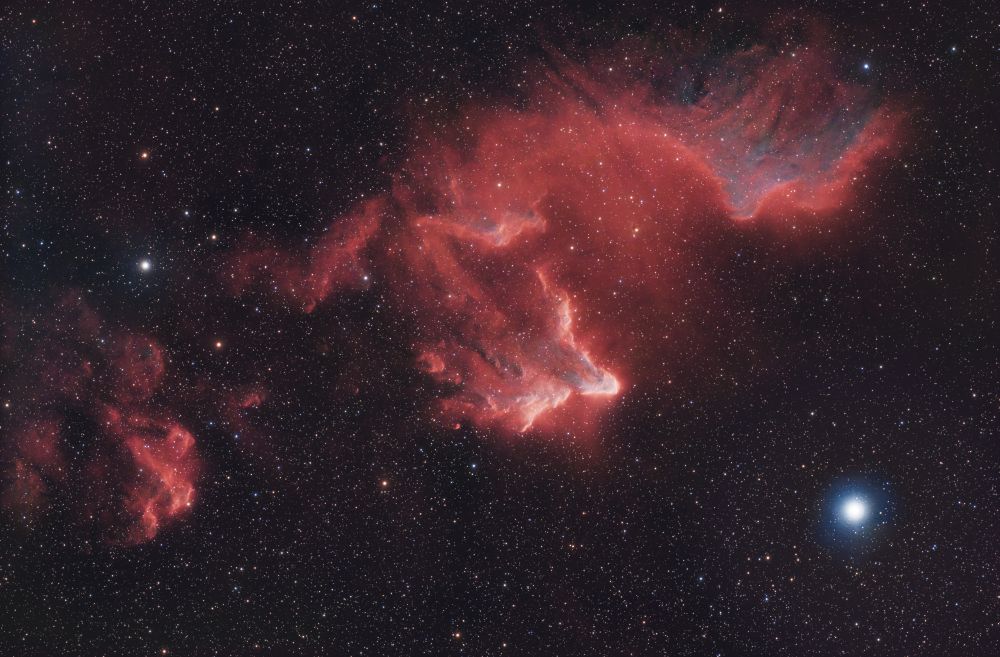
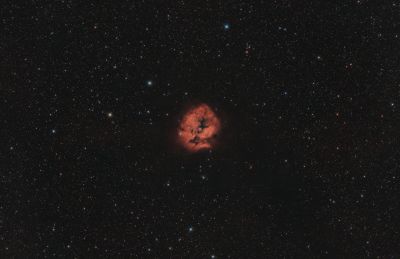
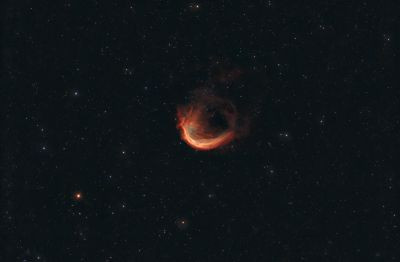
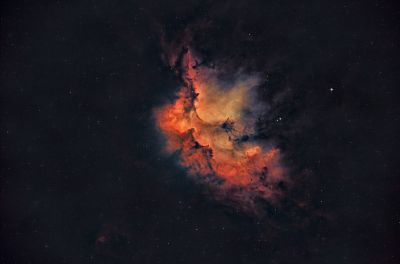
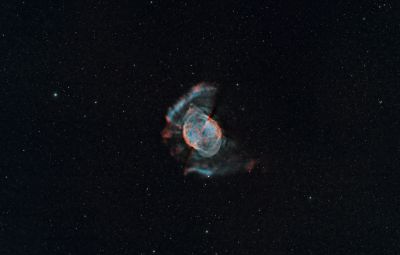
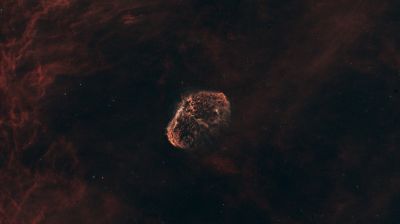
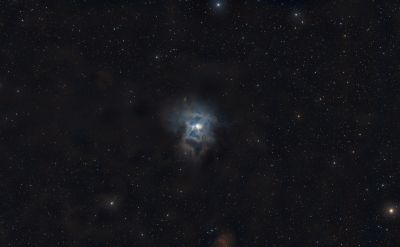
But for IC63, for example, I started shooting with the L-Ultimate and everything was fine until I accidentally set the Quad Band in the filter wheel. To my surprise, there was actually more signal with it, and dark inclusions appeared in the wing in the upper right corner, which were almost invisible with the L-Ultimate.
So for some objects it works well, but for galaxies, I haven't been convinced yet.
It's a strange thing; in theory, it should work perfectly for galaxies.
I’d be very interested to see—would you be able to post an example single shot of M101 with and without the filter?
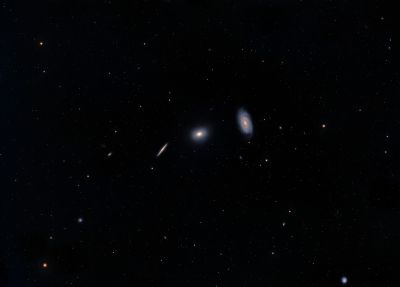
I have a comparison of the Quadband versus No filter for a galaxy on VK. After all, this filter is for those who want to get at least something from galaxies and clusters in urban light pollution. It has better white balance than the Triband. The Ultimate is already a dual-band filter with a very narrow passband of 3nm. Of course, it is purely for capturing emission nebulae (Ha & O).
I'm sorry, but I cannot access external websites or URLs, including the one you provided (https://vk.ru/life_is_good). I can only process the text you give me directly. If you paste the text you want translated here, I'll be happy to help.
12 May, 2026
Reply
Comments are available only to registered users. Register or log in to leave a comment.

Comments
Almost 9 full hours!
In August, I had nights where I could only get about 1.5 hours of usable time
+ I also have a slow telescope with f/7
So it's quite possible to try and get a decent image over 3-4 nights
In one night, it's unlikely, the object is just too faint
I’d be very interested to see—would you be able to post an example single shot of M101 with and without the filter?
Comments are available only to registered users. Register or log in to leave a comment.