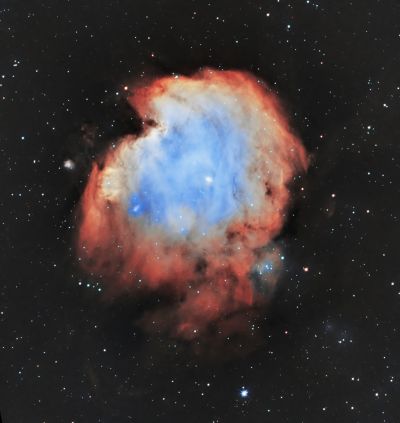
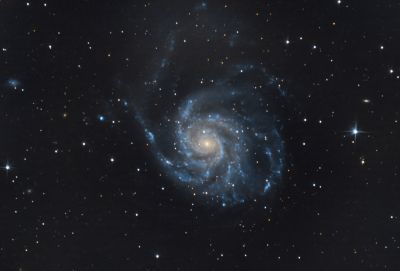
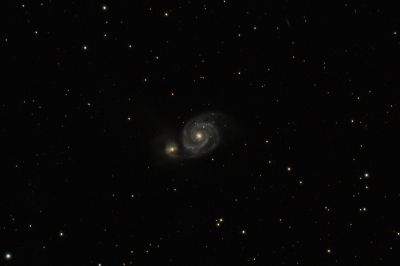
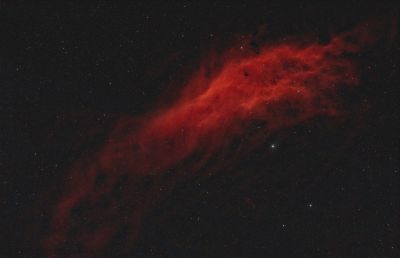
Thank you for sharing your photos - this is exactly what this project is all about! :-)
Finally assembled a setup with power distribution and a hub from WandererBoxLiteV3 USB3.0. Got rid of a bunch of wires, now everything runs from one 8-amp power supply. Power consumption is around 2-3 amps. And about 1-1.5 amps of that goes to camera cooling.
Next step is to make autonomous power from batteries for trips to darker skies, as the suburbs are already quite tiresome.
The total weight of the setup is about 9.5 kg including the tripod, computer with monitor.
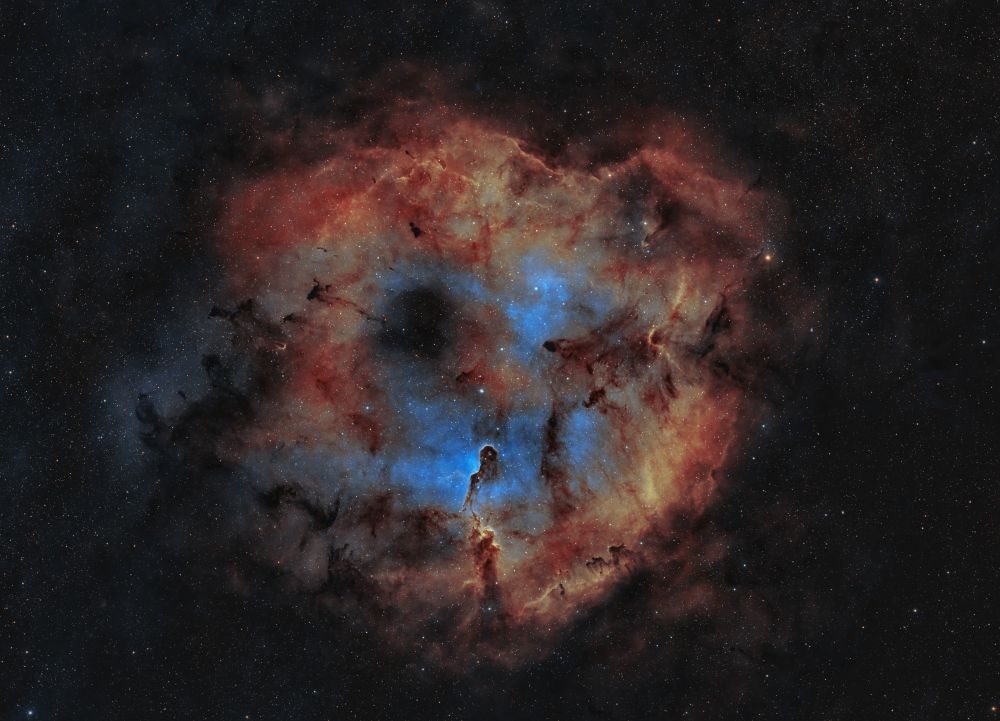
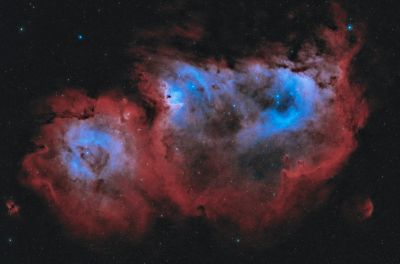
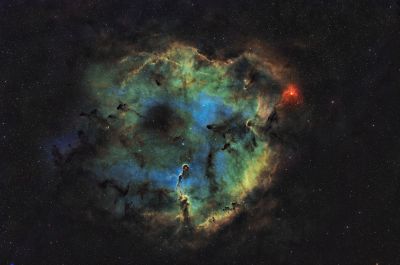
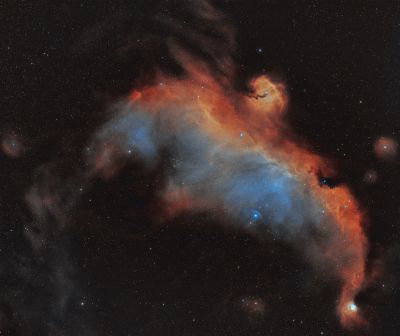
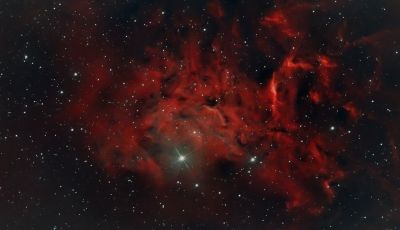
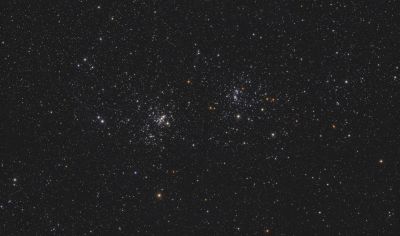
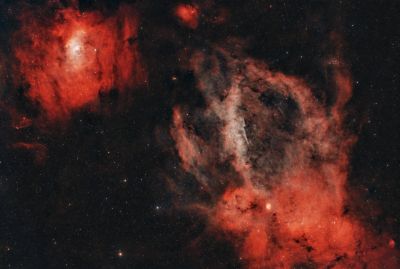
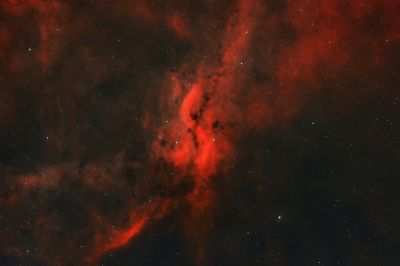
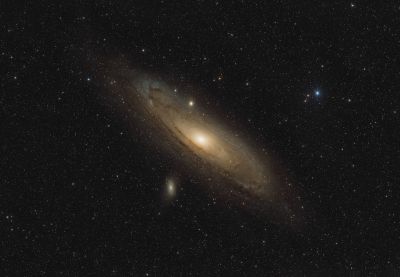
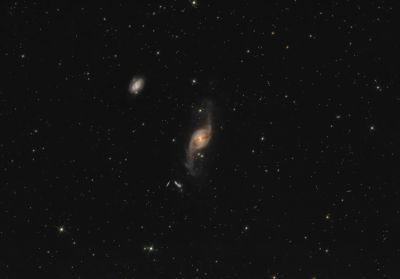
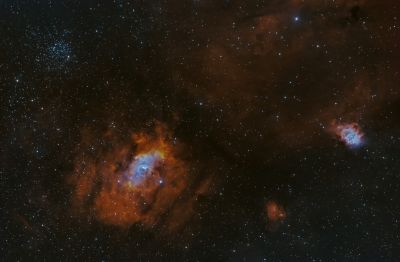
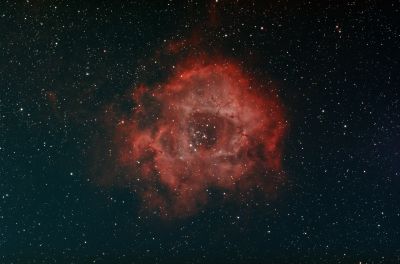
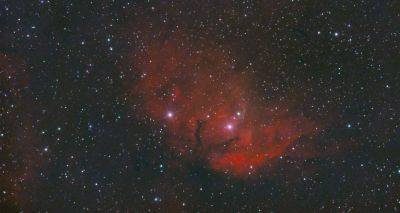
Added to the previous image with a 3nm Optolong L-Ultimate filter (imaging from 08.05), imaging from 16th, 17th, 18th of May with wider band filters Askar Colou…
Finally assembled a setup with power distribution and a hub from WandererBoxLiteV3 USB3.0. Got rid of a bunch of wires, now everything runs from one 8-amp power…
Thanks!
It's a great telescope, the only downside is that it has a very small sweet spot, and when using the L-Ultimate filter, I can't get the focuser to achieve focus—it focuses on overexposed pixels. There are few bright stars, and the rest look like pixels. There's no problem when using a UV/IR filter. So, after setting the focus at 1.47, by morning it had drifted to 1.72, causing a loss of sharpness because of this.
Now, I would go for a 70mm, but that would require a full-frame camera, and it's all too expensive. We'll keep shooting with this one.
I have an Askar SQA 85, and I’ll soon receive an Askar SQA 106. I love shooting galaxies, and of course, the larger the aperture and focal length, the better suited it is for such purposes. I haven’t seen a better astrograph yet, but that’s just my amateur opinion. In any case, you won’t be disappointed if you buy an SQA series.
I see you can buy it, but it doesn't have cooling.
Will that affect anything? I need exposures from 3 to 5 minutes.
And I understand that Dark frames aren't necessary for such a camera.
I shot with it using dark frames, and it's quite forgiving with them, allowing about 5 degrees of deviation. Of course, you can't do very long exposures—the well depth is small—but 1 to 2 minutes is easy. Usually, I check: if there are no bright stars and the object is faint, you can go longer. As for cooling, here's the thing: in summer we hardly shoot at all because of the white nights. By autumn, nighttime temperatures are already closer to 10 degrees or even lower, so it works out fine. It's a different story if you take it south, where nights are like our summers—then cooling is absolutely necessary.
Understood, thank you for the advice, I'll give it a try. But lunar and planetary photography is definitely for it, and I really enjoy shooting planets and the Moon! Clear skies!
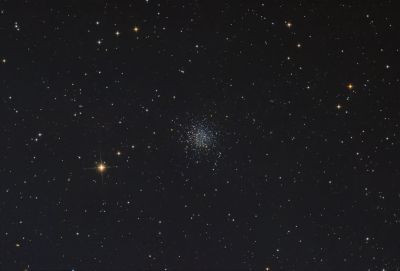
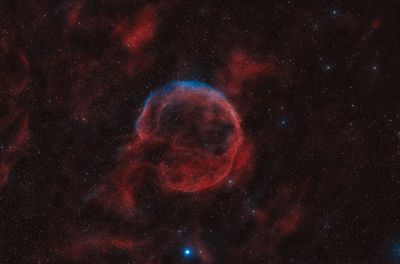
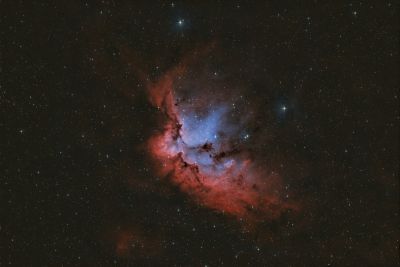


Comments
How are you liking the SQA55? I'm considering it, or the SQA70, for the same 571 camera.
It's a great telescope, the only downside is that it has a very small sweet spot, and when using the L-Ultimate filter, I can't get the focuser to achieve focus—it focuses on overexposed pixels. There are few bright stars, and the rest look like pixels. There's no problem when using a UV/IR filter. So, after setting the focus at 1.47, by morning it had drifted to 1.72, causing a loss of sharpness because of this.
Now, I would go for a 70mm, but that would require a full-frame camera, and it's all too expensive. We'll keep shooting with this one.
Comments are available only to registered users. Register or log in to leave a comment.