Thank you for sharing your photos - this is exactly what this project is all about! :-)
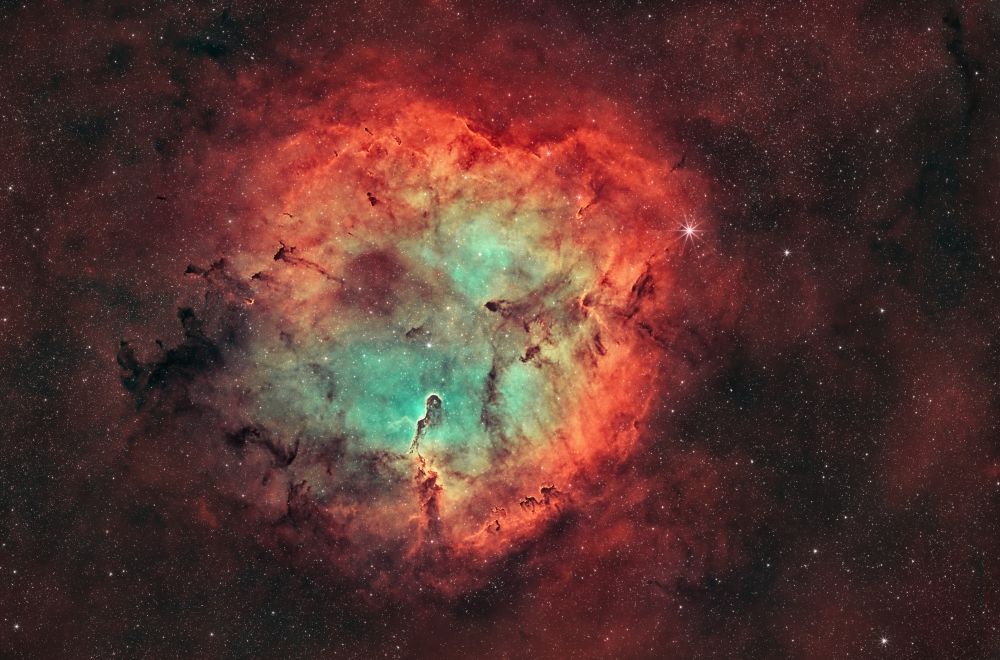
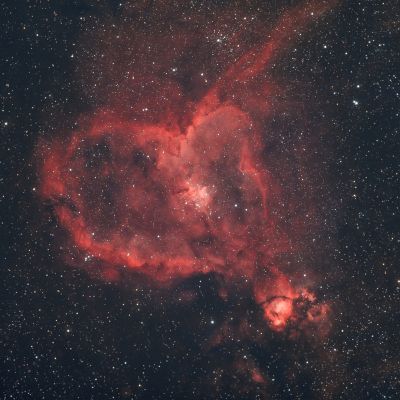
Finally processed a large batch of data from last year. This was my first experience shooting with a mono camera and it's my record for total integration time so far.
Previously, I shot with a Jupiter-21 lens paired with a color astro camera (both in broadband and with an Optolong L-eXtreme filter) — it turned out this Soviet lens with a DeepSky camera can deliver good results.
But then I became curious to see what the Jupiter-21 is truly capable of at its maximum. For that, I needed a mono camera to eliminate chromatic aberrations and get a stronger signal in each channel.
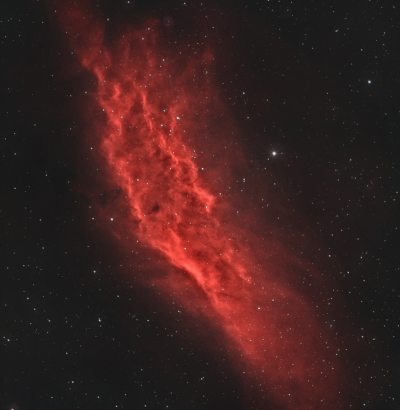
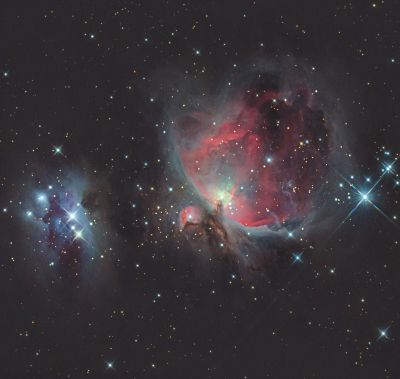
At some point, I acquired the camera, a filter set, and started testing on the first clear nights. I chose this nebula because it has a lot of detail. However, in March, the Milky Way is low on the horizon, and so is this nebula, which negatively affects image quality.
Luckily, the weather was on my side — there was a week of clear nights, allowing me to capture enough frames for a solid result.
Here’s what came out of it. The Jupiter-21 pushed to its limits)
For now, I’ve made a version with hydrogen and oxygen.
I also captured sulfur, but didn’t accumulate as much data — I’ll try processing it later.
Add comment
Comments
There are no comments on this picture yet
Comments are available only to registered users. Register or log in to leave a comment.

Comments
There are no comments on this picture yet
Comments are available only to registered users. Register or log in to leave a comment.