


Updated
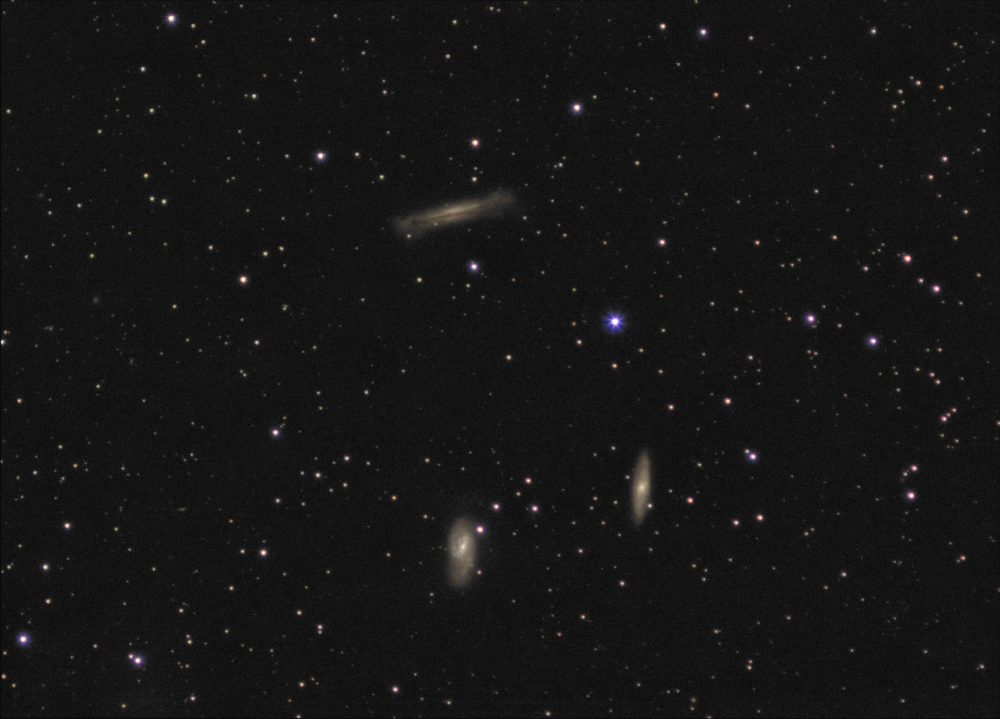
Triplet in the constellation LeoMar 28th, 2020
9 h 12 m
Captured an additional 3 hours in the red channel. Consequently, 3 hours were added to the synthetic luminance channel. Scale 70%.
 IC 2646IC 2650IC 2652IC 2654IC 2657IC 2658IC 2659IC 2661IC 2662IC 2663IC 2664IC 2669IC 2671IC 2684IC 2686IC 2688IC 2689IC 2690IC 2693IC 2694IC 2695IC 2696IC 2697IC 2706IC 2708IC 2709IC 2710IC 2711IC 2722IC 2725IC 2726IC 2728IC 2729IC 2731IC 2733IC 2737IC 2745IC 2755IC 2760IC 2762IC 2763IC 2766IC 2767IC 2772IC 2773IC 2776IC 2779IC 2784IC 2785IC 2786IC 2788IC 2789IC 2791IC 2794IC 2805NGC 3593NGC 3623NGC 3627NGC 3628IC 2666IC 2752IC 2754IC 2761IC 2765IC 2769IC 2782IC 2787IC 2799IC 2804
Orange, Bortle 6 zone
Exposure
Total exposure: 3 h 18 m
Mar 28th, 2020
9 h 12 m
Captured an additional 3 hours in the red channel. Consequently, 3 hours were added to the synthetic luminance channel. Scale 70%.

Mar 27th, 2020
6 h 12 m
L-channel synthesized from three color channels. Scale approximately 60%.

Mar 24th, 2020
1 h 30 m
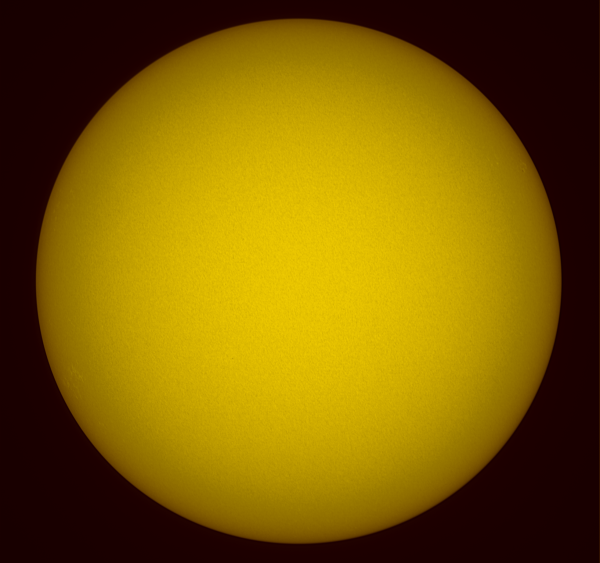
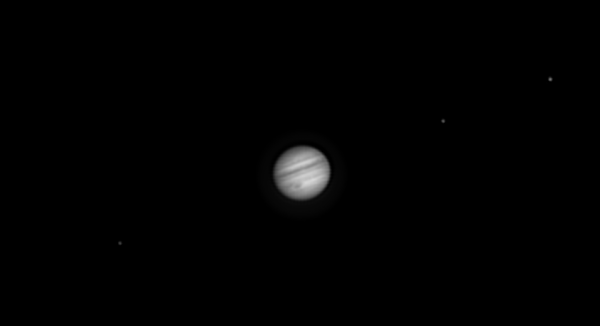
Jupiter 21M test. It seems like the light grasp has improved, judging by the lettuce leaves in the Hamburger. The detail also seems higher. But the overall impression of the lens is just okay. It still doesn't have the same sharpness as the Jupiter 37A. The aperture was stopped down to f/5.

Mar 21st, 2020
1 h 12 m
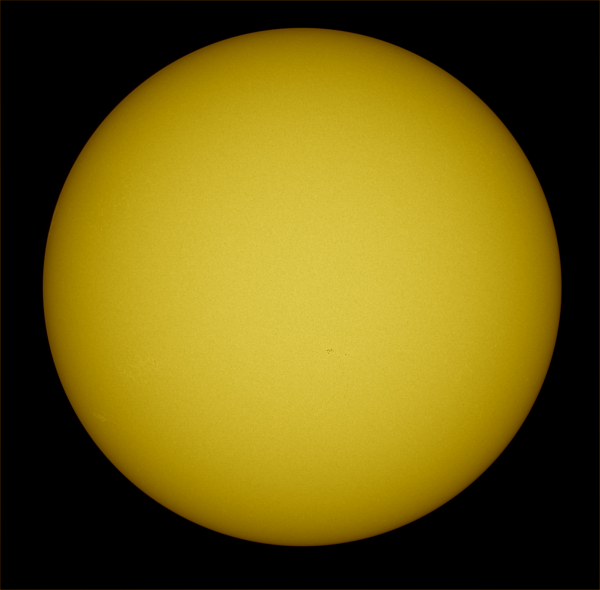
Today's trio. (March 20, 2020, or rather yesterday's already :)) ) Aperture stopped down to f/5. Yes. Aperture rules. The previous shot had 120-second exposures, lower gain, but higher transparency. Although the total integration was different. Maybe it's precisely about the integration time. But it seems that stopping down the aperture also reduced the resolution. I'll try switching to the Jupiter-21M lens. I'll stop it down to f/5 and get the aperture of a Jupiter-37, but at a fully open aperture. We'll see.

Jan 19th, 2020
3 h 18 m
A trio of galaxies in the constellation Leo and neighbors. Imaging from January 8th and 17th, 2020. Scale 70%. Seems slightly out of focus.



Comments
Reply
Sign up or sign in to leave a comment.
Reply
Sign up or sign in to leave a comment.
1. The offset value when shooting darks and lights must match and be such that the dark histogram is not clipped on the left.
2. I don't calibrate with biases. The camera has low read noise, plus the bias is already contained in the dark.
As soon as I corrected the two issues above, everything immediately worked out.
Additional notes on calibration for this camera:
- I calibrate with flats, and I calibrate the flats beforehand with dark flats.
- I shoot darks at home after a session using a refrigerator and freezer. I monitor the temperature and move them if necessary. A few days and a dark library for the year is ready, from -10 to 35 degrees.
Reply
Sign up or sign in to leave a comment.
Reply
Sign up or sign in to leave a comment.
Sign up or sign in to leave a comment.