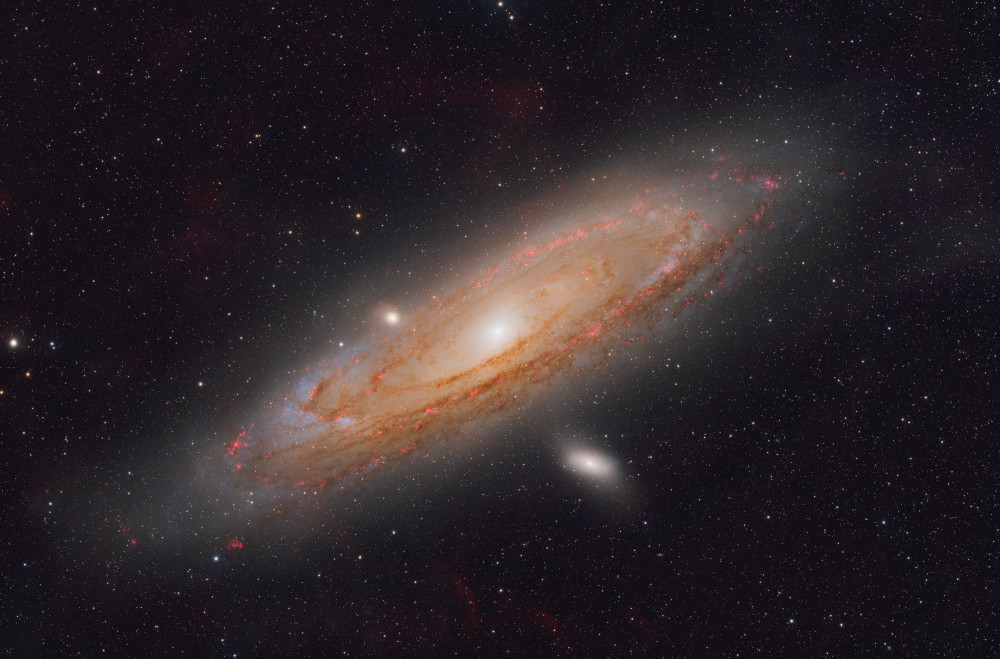

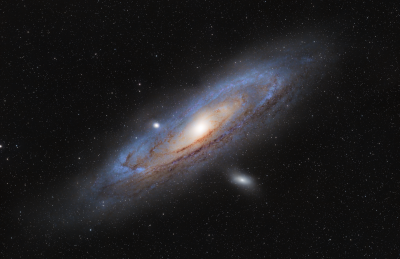
Here you can see the correct addition of hydrogen. There is exactly as much of it here as there should be.
The hydrogen is aligned to the red channel. Then it is stretched in the same way (as the red channel) and added to the red channel of the LRGB image. Of course, after continuum subtraction. I subtracted the continuum manually and added the hydrogen to the red 1 to 1. Without any masks, boost, frasold, or hydrogen contrast. No personal taste, only pure math.
Yes, this is what 46 hours of hydrogen looks like. For the sake of beauty, I would like to pull out more "background" hydrogen, but I did not do this in favor of naturalness.
It is also worth noting that I accumulated a significant portion of the hydrogen under urban light pollution, shooting right from the loggia for almost the entire month) These almost 35 hours of accumulation are inferior to 11 hours of accumulation in Mezmay. Just imagine, the accumulation is 3 times less, but at the same time the noise is 17% lower. This shows that accumulation is not the same as accumulation, if they are collected under different light pollution conditions, even despite a narrow passband of only 3nm! I am also not sure that I integrated the Krasnodar accumulation into the Mezmay one correctly, but the noise decreased by 1.5 percent. I still did not understand by how much the SNR increased. I did not even notice the difference visually. Therefore, perhaps I will return to the hydrogen accumulation and reprocess it, also making an artistic version of the work (with an abundance of hydrogen in the background).
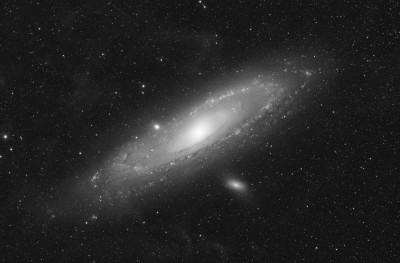
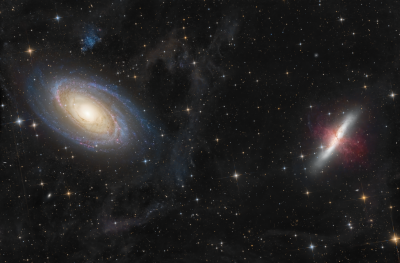
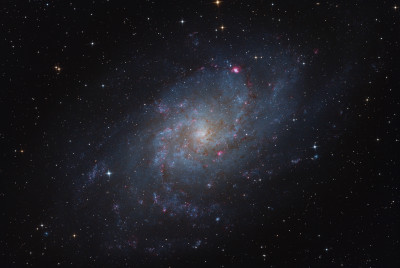
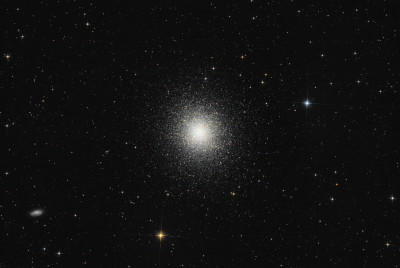
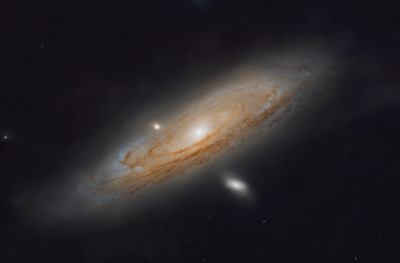
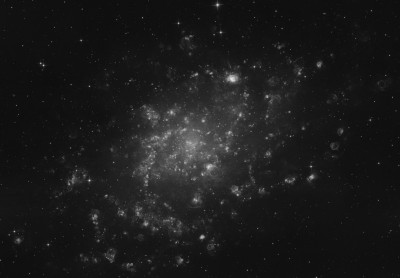
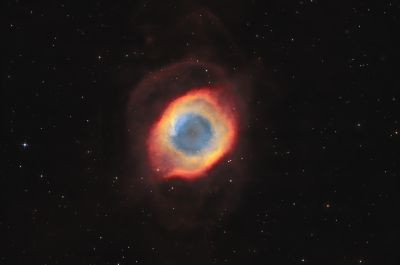
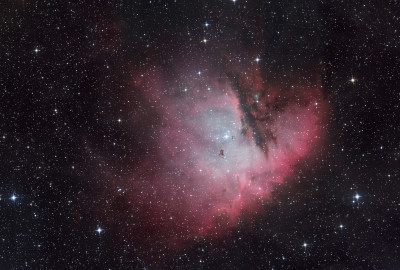
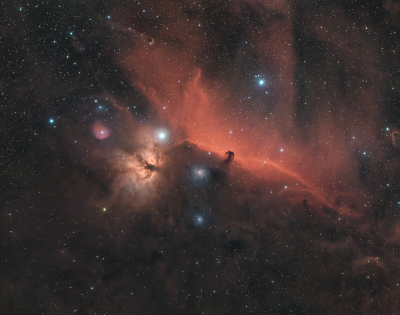
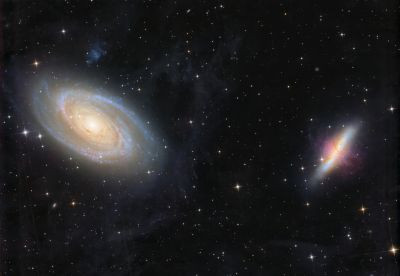
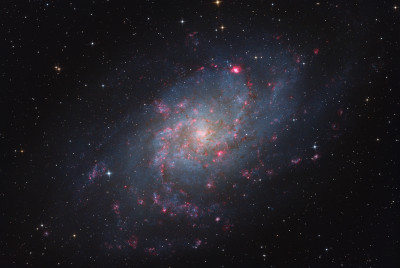
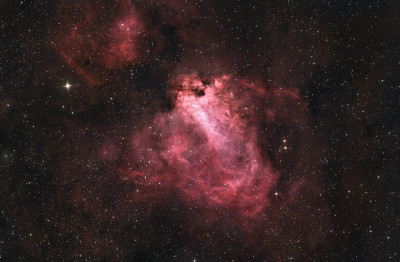
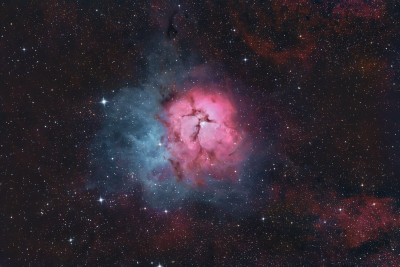
Just for those who want to see hydrogen by itself, I will upload two more images.
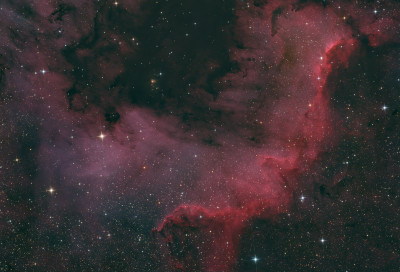
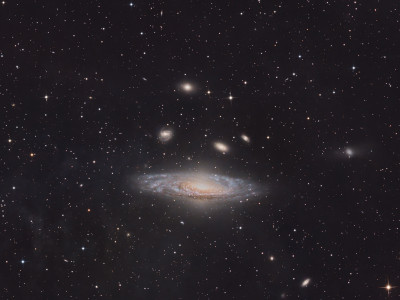
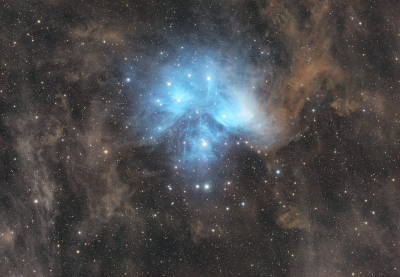
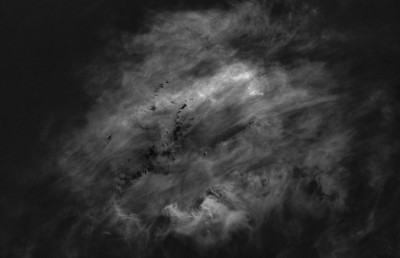
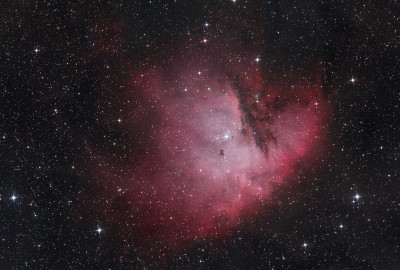
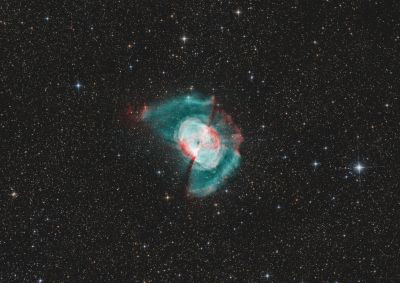

Comments
On the other side of the coin is the faint hydrogen background, which also creates false impressions of low accumulation. But it is simply like that by nature. Therefore, it is not objective to evaluate hours/quality of accumulation by the faint background) Here it is already a matter of taste, but in this case I did it as it actually is :)
In general, I myself am also a fan of "picture" and "artistics" and therefore I will also stretch the background for beauty and publish it on AstroBin. I did not get fancy with stretching at all. Everything was aligned by signal relative to each other and stretched identically. I did not even want to make the core fainter, because it looked natural and very smooth and the point in the center did not stand out at all (I did not want to do 60-second subs and therefore the core is minimal, but it burned out), but in this light pollution there was still a bit of structure and I only slightly applied HDR to the core to reveal it. In short, everything is as close to natural as possible =) I did not even embellish the oxygen in the galaxy separately and it remained as it is.
Comments are available only to registered users. Register or log in to leave a comment.