Resolution: 5354x4016 px
Scale: 4274 KB
Thank you for sharing your photos - this is exactly what this project is all about! :-)
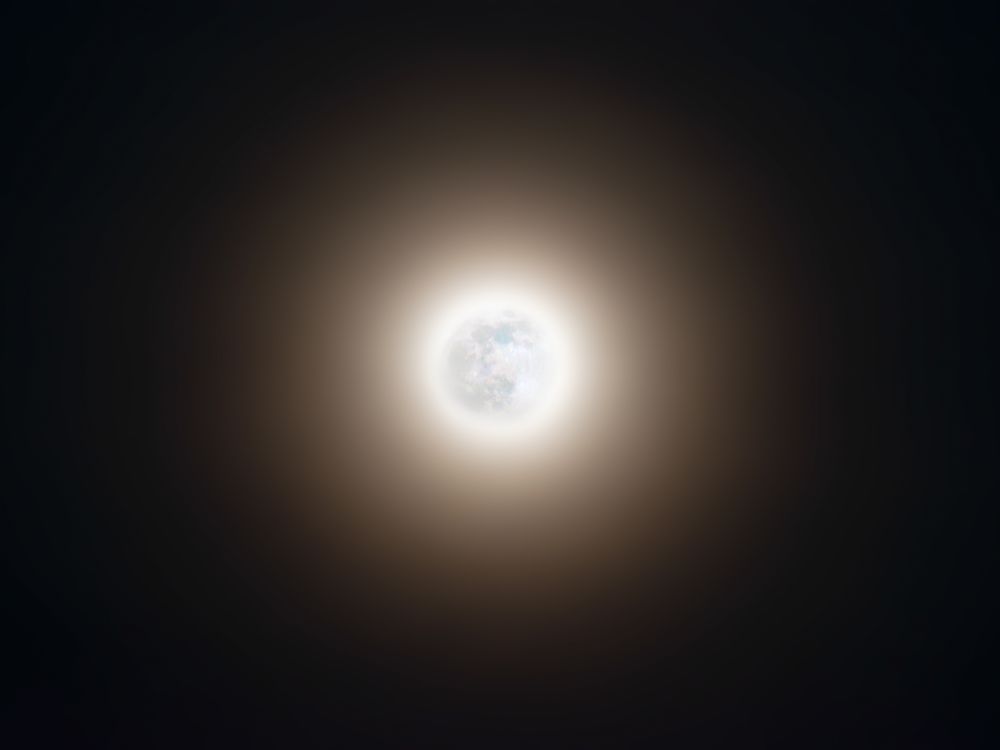
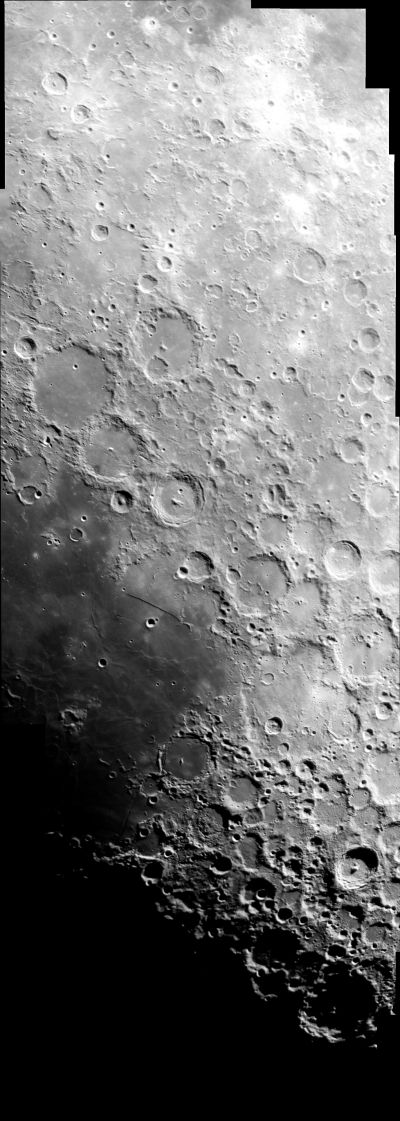
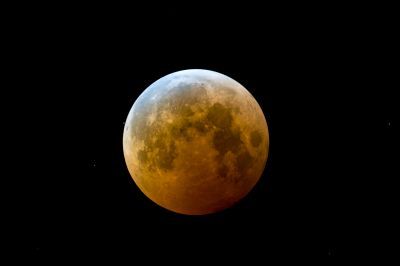
The Wolf Moon on January 17th. Shot with a Nikon D5300 and a Tamron AF 70-300mm f/4-5.6 Di LD Macro lens. The Moon was captured at 1/80s (300mm), the background at 1/3s (70mm), ISO 400, f/7.1. I also took 15 flat frames to remove sensor dust. The background was calibrated in Sequator, processed in Photoshop, and noise reduction was done in Neat Image.
Interestingly, since ancient times, people have given names to full moons by following the lunar calendar—based on the changing lunar phases (a full cycle lasts 29.5 days, which is quite close to a modern month)—and observing the characteristics of each specific month. This tradition originates primarily from the Algonquin Indian tribes who lived in the northern lands of what is now the United States and Canada. On cold January nights, outside their villages, the Indians often heard the howling of numerous wolf packs, so they called the January full moon the Wolf Moon (Full Wolf Moon). However, this name was not adopted by all indigenous peoples. For example, the Cherokee called the first full moon of the year (by the modern calendar) the Cold Moon, while the Iroquois called it the Old Moon. Later, when Europeans discovered the New World, they brought this tradition to Europe, adding several new names alongside the indigenous ones. Thus, the January full moon came to be called not only the Wolf Moon but also the Moon After Yule (common in England; along with the Iroquois, the English also referred to the January Moon as the Old Moon), the Moon After Yule (Yule—a pagan holiday dating back to the 5th century AD, later incorporated into Christian culture. Celebrated over 12 days, starting the night before the Winter Solstice. According to legend, during Yule, gods descend to Earth, trolls and elves converse with people, and the dead return to life), and so on. Nevertheless, some European peoples had already been naming full moons long before the discovery of the New World. For instance, among the Celts, the January full moon was commonly called the Quiet Moon, while the Druids (a distinct "class" of Celtic priests) referred to it as the Wet Moon. Interestingly, in Kievan Rus', the January full moon was also called the Wolf Moon, similar to North America. As for the peoples of the Southern Hemisphere, South American Indians widely used names such as the Hay Moon, Thunder Moon, and Lamb Moon. In some regions, the name Honey Moon was also used.



Comments
There are no comments on this picture yet
Comments are available only to registered users. Register or log in to leave a comment.