Astrophotography history · 1800–1948
The History of Astrophotography
From the first experiments with light-sensitive materials to photographs of distant galaxies: an illustrated history of astrophotography, 1800–1948.
How did we go from faint impressions on silver plates to photographs of distant galaxies? I began looking for an answer one evening and soon found myself following a trail of early lunar portraits, ingenious instruments and extraordinarily patient observers.
This illustrated timeline brings those discoveries together. It starts with the inventions that made photography possible, follows the first attempts to photograph the night sky, and ends with the great observatory telescopes of the mid-twentieth century.
It is a story of experiment as much as achievement. Some images survive only as reproductions; others have uncertain attributions. Where an identification is unclear, I have kept that uncertainty visible. If you spot a mistake, please get in touch.
Early Experiments and Inventions
1800
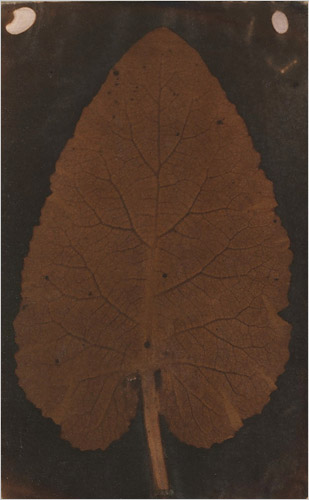
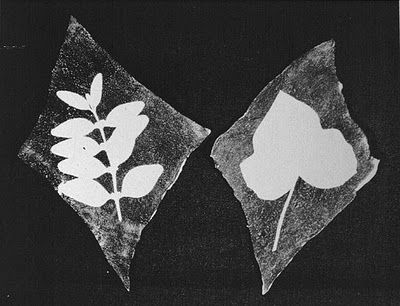
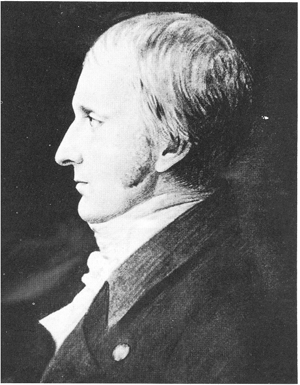
Around the turn of the nineteenth century, Thomas Wedgwood (1771–1805) experiments with light-sensitive silver compounds. Placing objects on treated surfaces produces silhouettes, or photograms. The images cannot yet be fixed permanently: further exposure to light eventually darkens the whole surface.
The illustrations below introduce these early experiments and Wedgwood himself. The attribution of some early photograms has been disputed, so they should not be treated as securely identified examples of his work.
1816
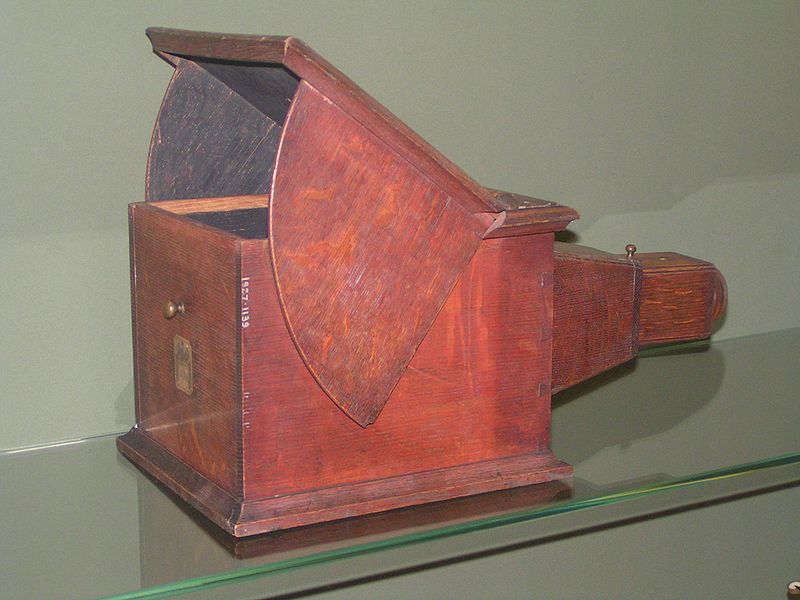
Joseph Nicéphore Niépce (1765–1833) experiments with a camera obscura and light-sensitive paper. He can record a view, but keeping the image from fading remains a problem.
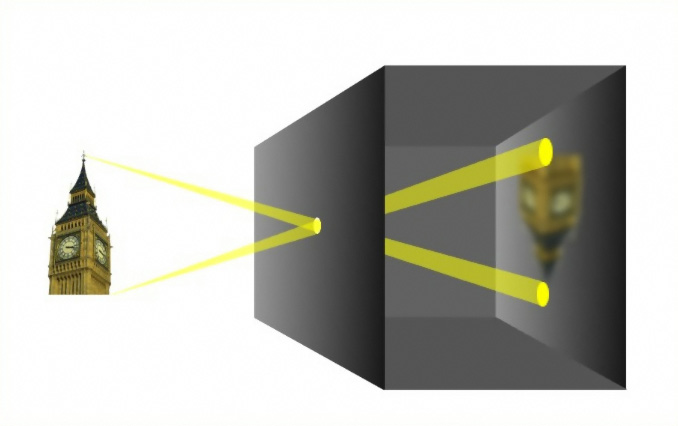
A camera obscura is a dark chamber or box in which a small opening or lens projects an image of the outside world onto the opposite surface. Photography will make that fleeting projection permanent.
1825
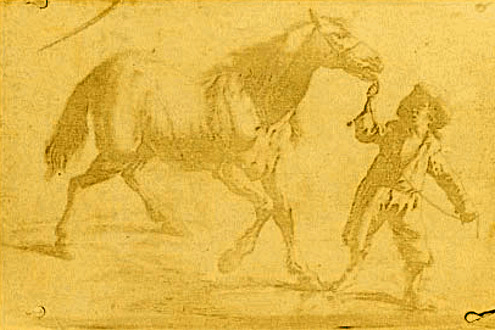
Niépce uses heliography to reproduce an engraving of a boy leading a horse. Rediscovered in 2002, this early photographic reproduction is distinct from a photograph of a scene made inside a camera.
1826
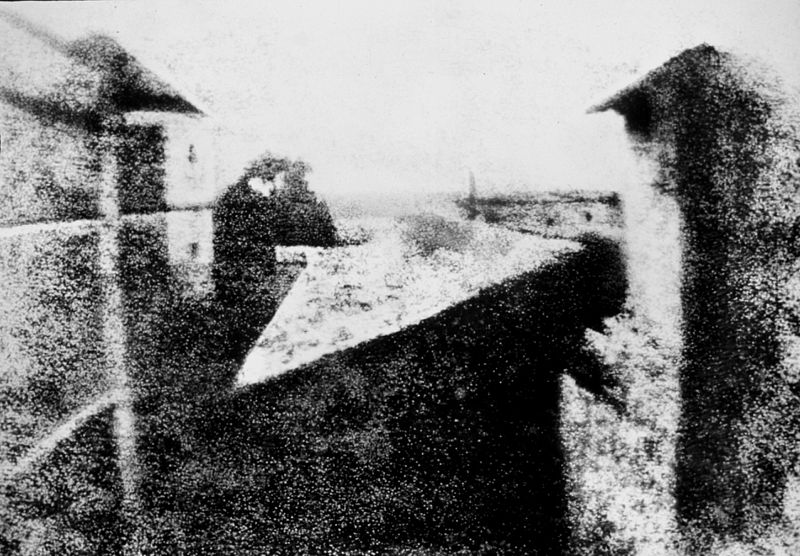
In 1826 or 1827, Niépce makes View from the Window at Le Gras, the earliest surviving photograph produced in a camera. A bitumen-coated plate records the buildings outside his window during a very long exposure.
The exact date and exposure duration are uncertain. What matters is the breakthrough: an image formed by light can now survive after the camera is put away. Niépce continues refining his process and later works with Louis Daguerre before his death in 1833.
1835
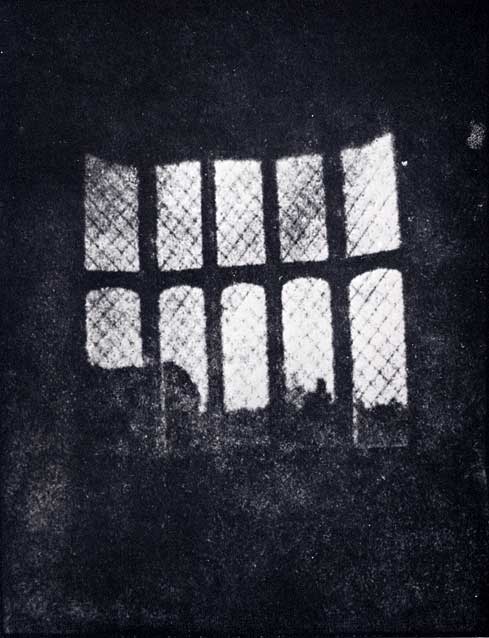
William Henry Fox Talbot (1800–1877) makes an early surviving camera negative, showing a window at Lacock Abbey. His experiments with sensitized paper help establish the negative–positive process, allowing more than one print to be made from a single exposure.
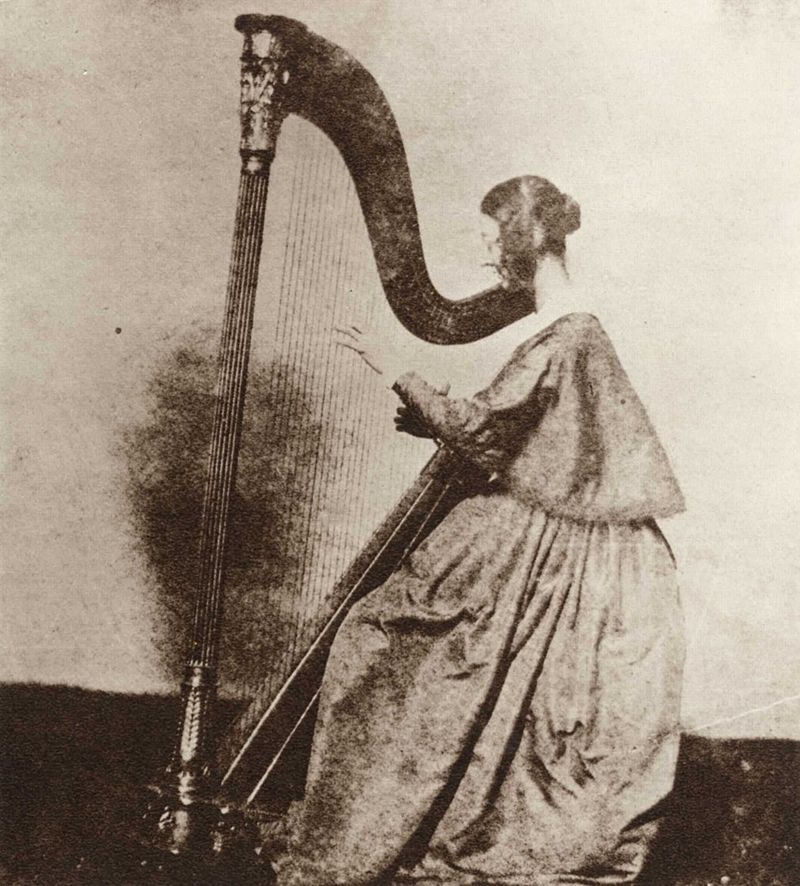
The later portrait below shows Talbot’s half-sister, Horatia Feilding. In 1976, a lunar crater was named in his honor.
1837
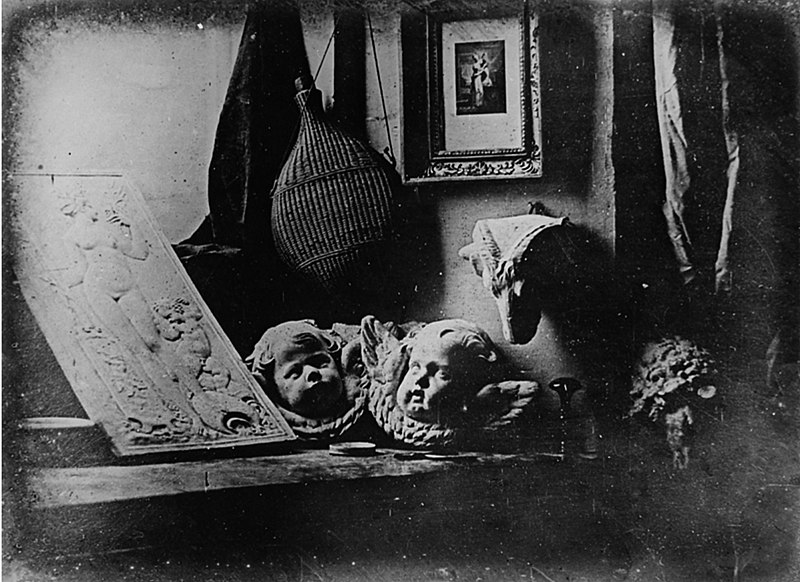
Louis Daguerre creates images on silver-plated copper plates coated with silver iodide and developed with heated mercury vapor. These images became the first examples of the daguerreotype:
1838
Friedrich Wilhelm Bessel makes the first scientifically reliable measurement of stellar parallax. He measured the annual parallax of the star 61 Cygni.
Early Astrophotography
1839
On January 7, François Arago presents Daguerre’s photographic work to the French Academy of Sciences. The daguerreotype process is made public later that year, opening a new chapter in practical photography.
Arago recognizes its promise for astronomy, including the study and mapping of the Moon. Recording the sky will soon become one of photography’s most demanding tests.
1839
Daguerre attempts to photograph the Moon. The experiment is unsuccessful: the long exposure and the Moon’s motion make a clear image difficult to obtain. Tracking the sky accurately will remain a central challenge for astrophotographers.
1840
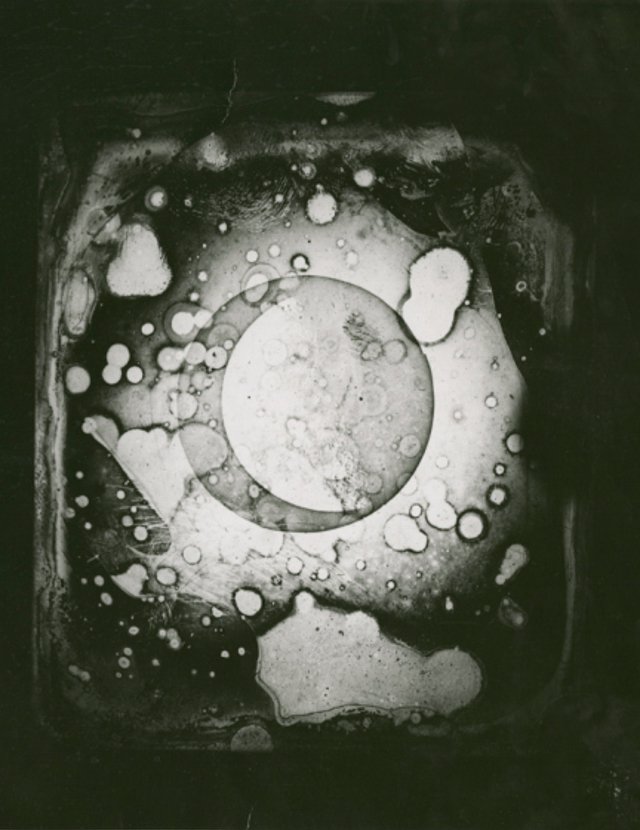
John William Draper (1811–1882) makes one of the first successful daguerreotypes of the Moon, using a telescope and an exposure of about twenty minutes.
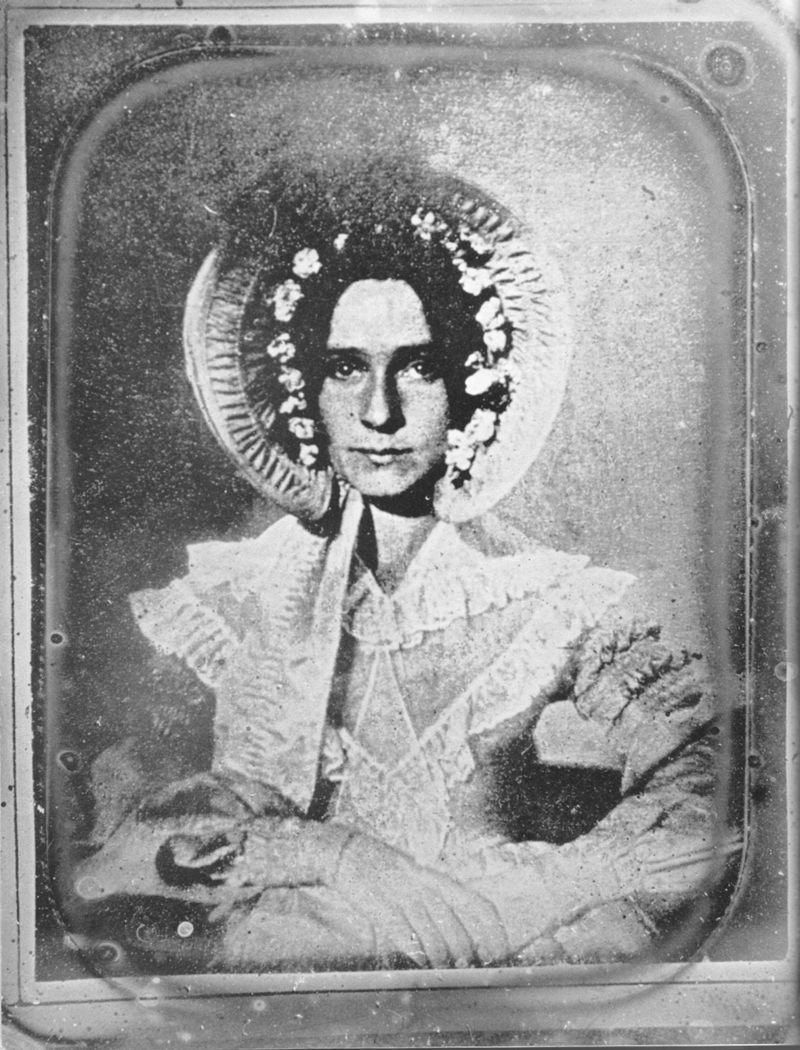
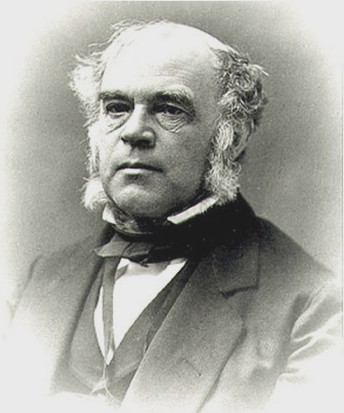
Draper also experiments with portrait photography. The accompanying images show his sister Dorothy and Draper himself: reminders that the same pioneers often worked across science, medicine and the emerging art of photography.
1842
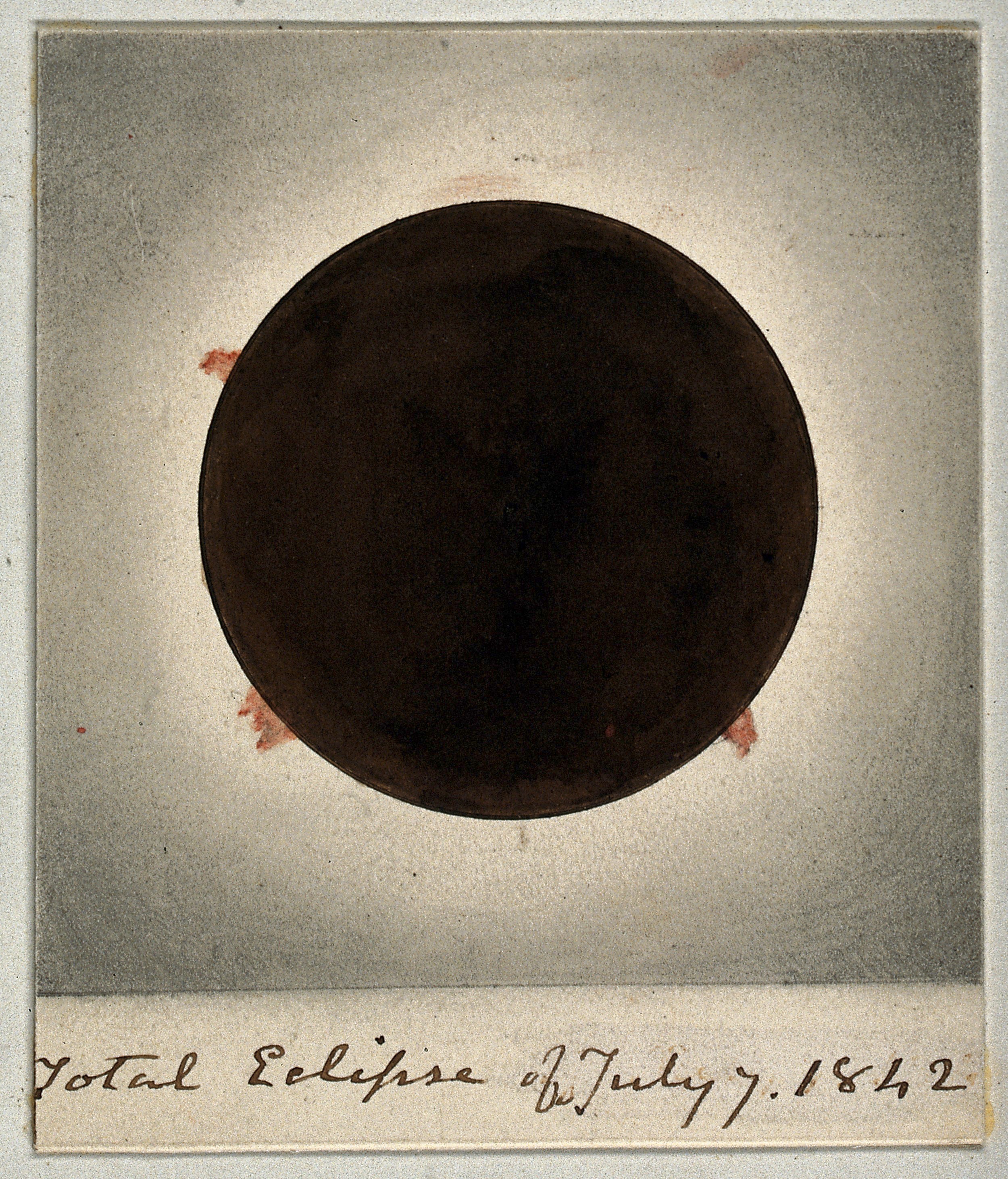
Austrian astronomer Gian Alessandro Majocchi (1795–1854) captures the first photograph of a solar eclipse phase on a daguerreotype on July 8, 1842, using a 2-minute exposure.
1845
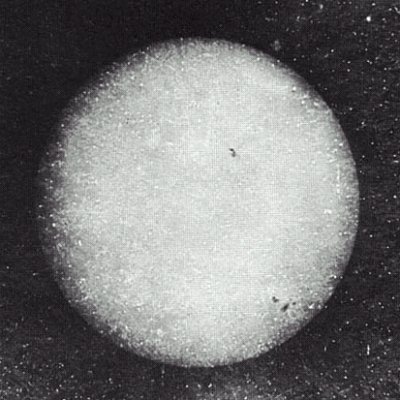
According to François Arago, a large number of solar daguerreotypes were obtained by Armand Hippolyte Louis Fizeau (1819–1896) and Jean Bernard Léon Foucault (1819–1868) at the Paris Observatory. One of these images, taken on April 2, 1845, has survived to this day.
Most likely, it is this photograph:
In 1970, the International Astronomical Union named a crater on the far side of the Moon after Fizeau. In 1935, the IAU named a crater on the near side of the Moon after Foucault.
1849
William Cranch Bond (1789–1859) and John Adams Whipple (1822–1891) obtain a series of lunar daguerreotypes using a 15-inch (38 cm) refractor and 40-second exposures. They produced these images between 1849 and 1852.
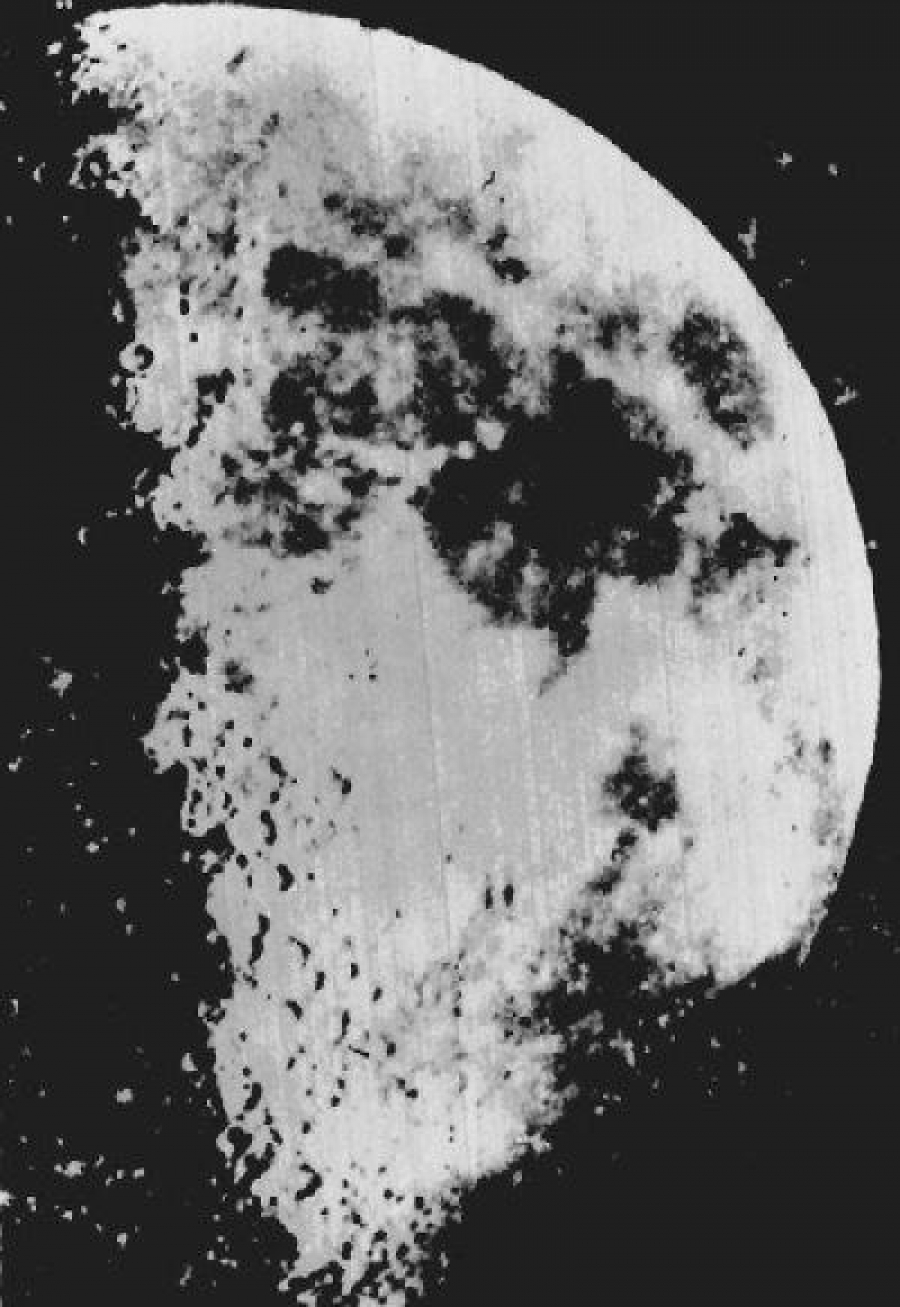
A lunar crater was later named in honor of William Cranch Bond.
1850
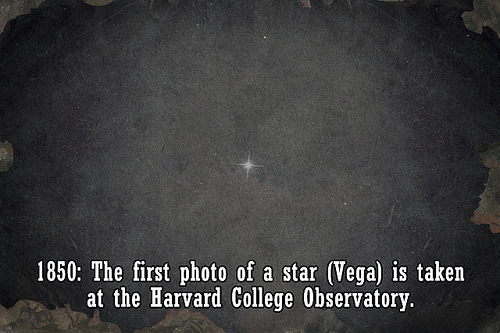
The first photograph of a star, Vega (Alpha Lyrae), is captured by John Adams Whipple and George Phillips Bond. They used the 38 cm Harvard refractor with a 100-second exposure on July 17, 1850.
1851
In Rome, Angelo Secchi (1818–1878) makes daguerreotypes of partial phases of a solar eclipse using a 6.5-inch (16.2 cm) refractor with an 8 foot (2.5 m) focal length. Better results follow six years later (see below).
1851
George Phillips Bond records an attempt to photograph Jupiter with John Adams Whipple on March 22. His notebook describes six plates on which the two principal equatorial belts could be distinguished. Planetary photography is already being attempted decades before the better-known work of the Henry brothers.
1851
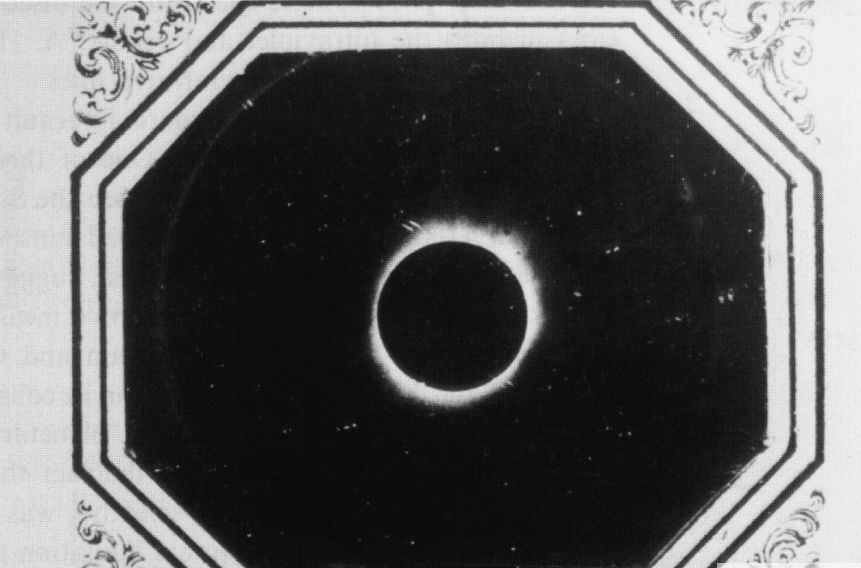
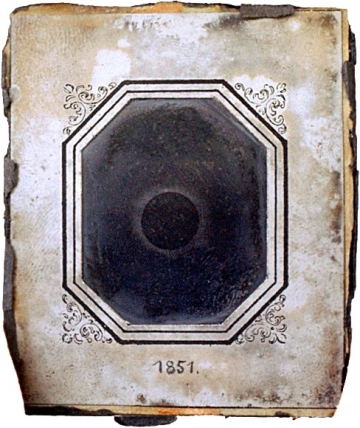
The first daguerreotype of a total solar eclipse is made by Berkowski in Königsberg (now Kaliningrad). He captured the corona and several prominences on July 28, 1851.
1857
George Phillips Bond (1825–1865), son of William Cranch Bond, and John Adams Whipple photograph the double star Mizar (Zeta Ursae Majoris) and Alcor (80 Ursae Majoris) using the 15-inch (38 cm) Harvard refractor.
1857
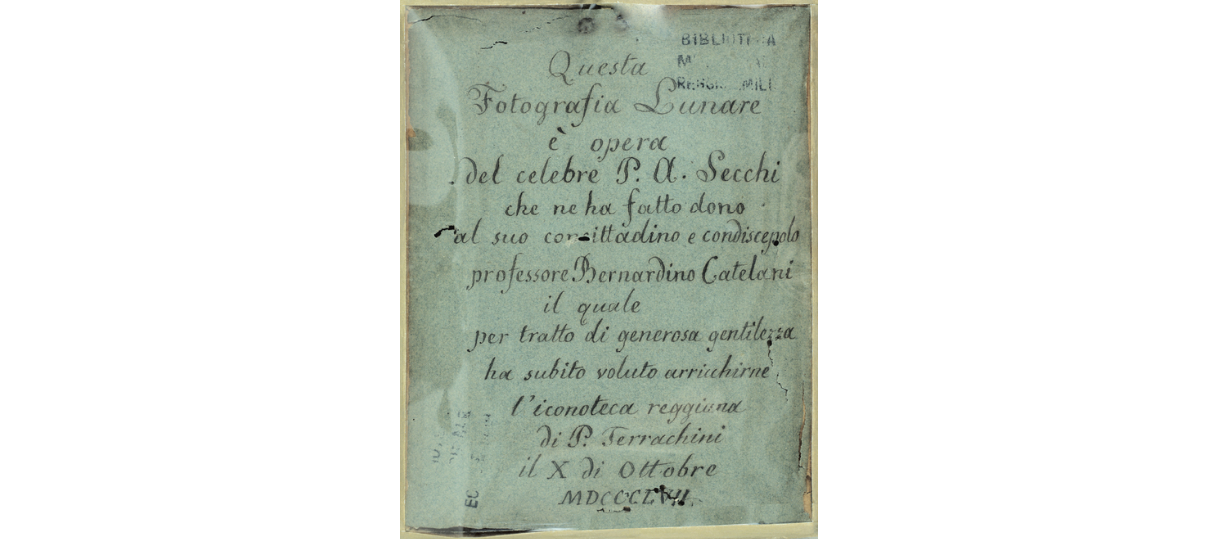
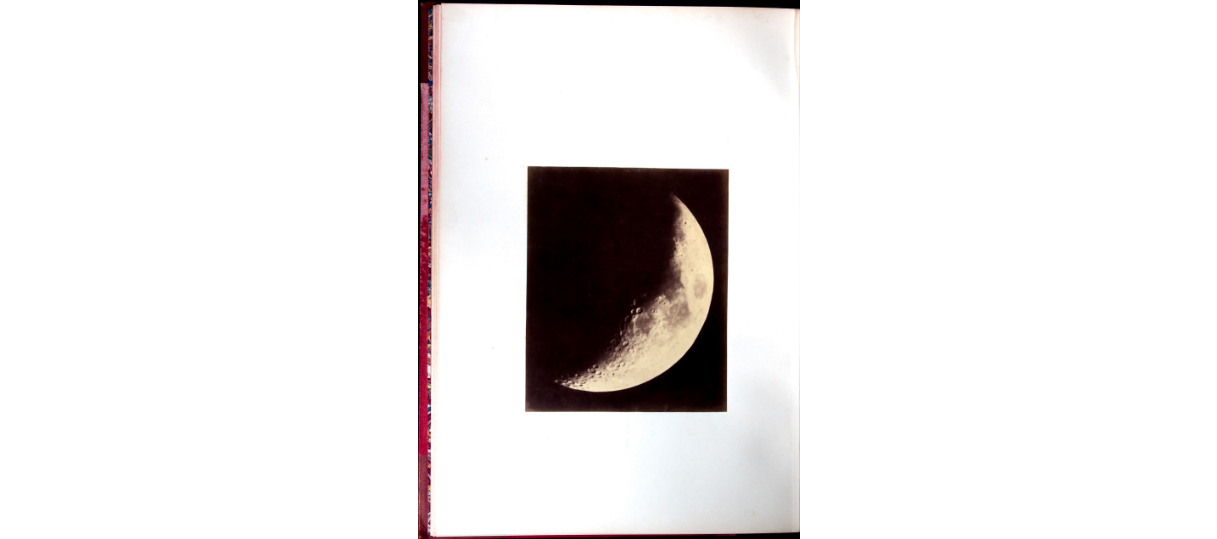
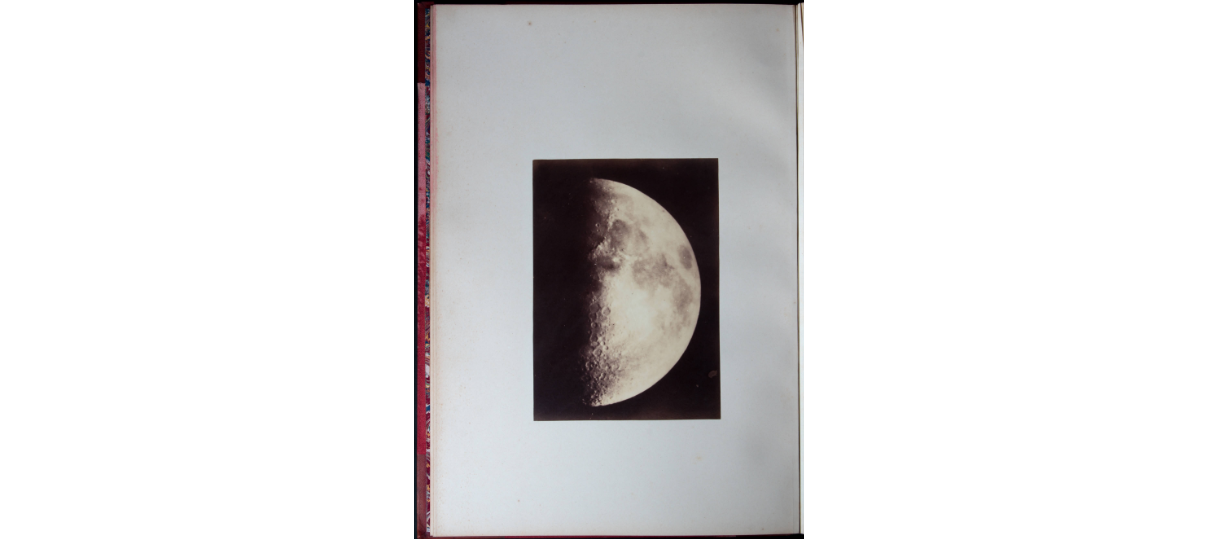
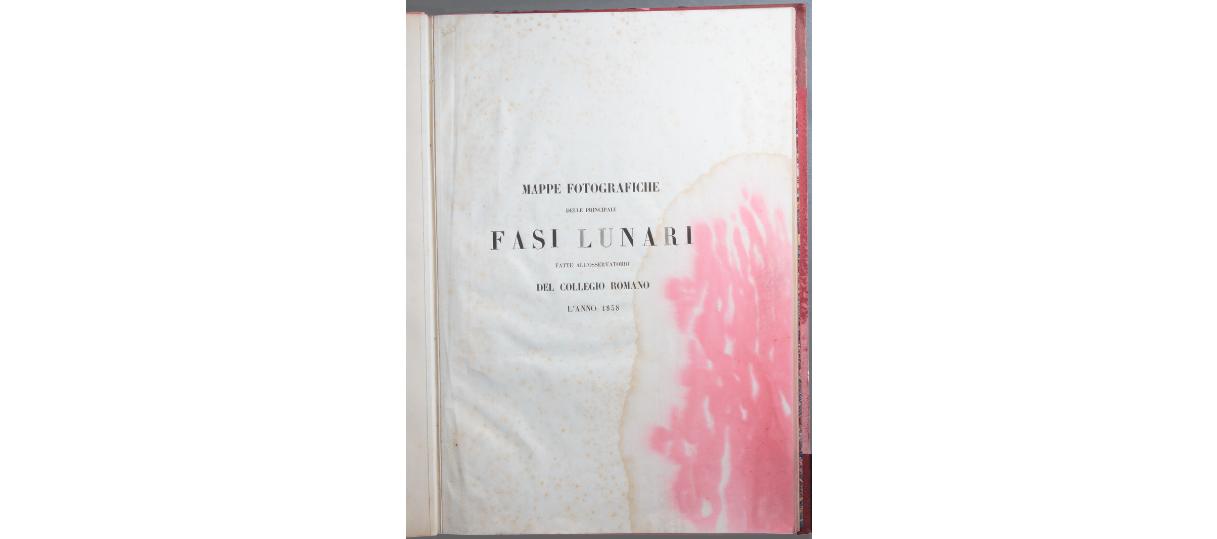
The Moon photographs shown here were found among the manuscripts of Naborre Campanini in the Panizzi Library. They are framed with handwritten notes and dates on the back (see fig. 1). These preserved images document a series taken by Angelo Secchi together with Roman pharmacist Francesco Barelli in 1857.
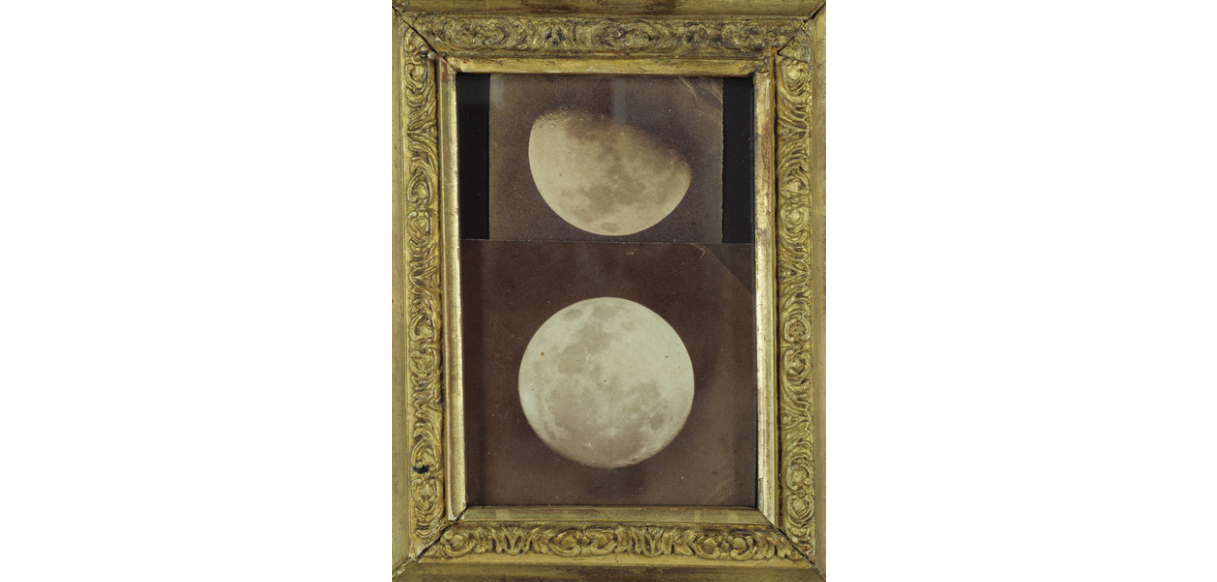
These images were later included in Angelo Secchi’s Atlas of Lunar Phases.
1857
Warren De la Rue obtains images of Jupiter and Saturn using a 13-inch (33 cm) reflector. The exposures (12 seconds for Jupiter and 60 seconds for Saturn) were unsuccessful.
1858
George Phillips Bond demonstrates that stellar magnitudes can be measured from astronomical photographs. This becomes the foundation of stellar photometry.
1858
Daily solar photographs begin at Kew Observatory using Warren De la Rue’s photoheliograph. On clear days this produced a continuous record and a total of 2778 solar photographs were made between 1862 and 1872.
1858
Warren De la Rue attempts to photograph Donati’s Comet but without success.
1858
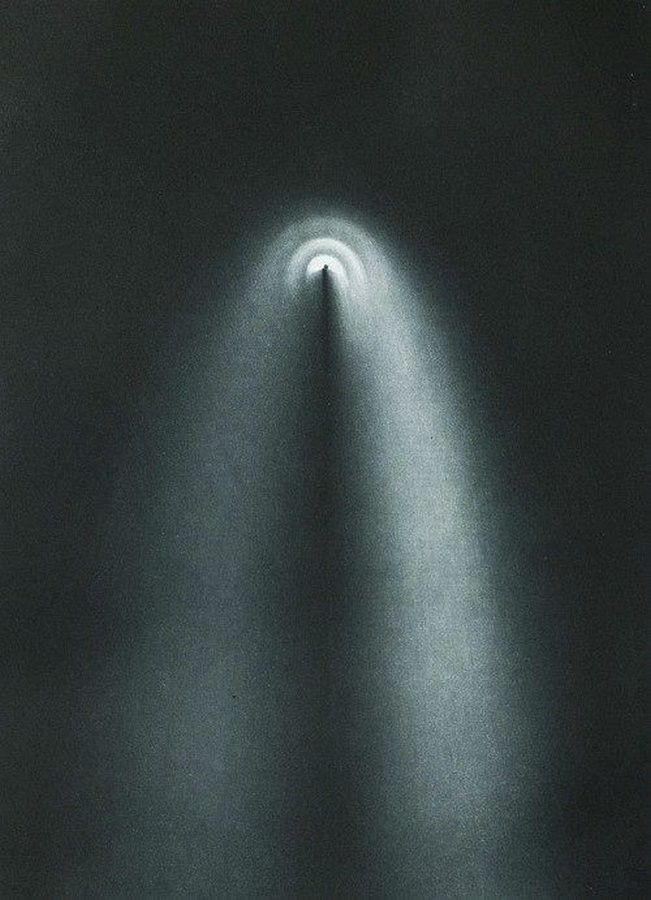
On September 27, William Usherwood, a portrait photographer and miniature painter in Surrey, photographs Donati’s Comet with a reported seven-second exposure. His observation is generally credited as the first photograph of a comet.
Discovered by Giovanni Battista Donati in June 1858, the comet becomes one of the great sights of the nineteenth-century sky.
The illustration below has been attributed to Usherwood in online sources, but that identification has not been confirmed here. It is included with that reservation.
1860
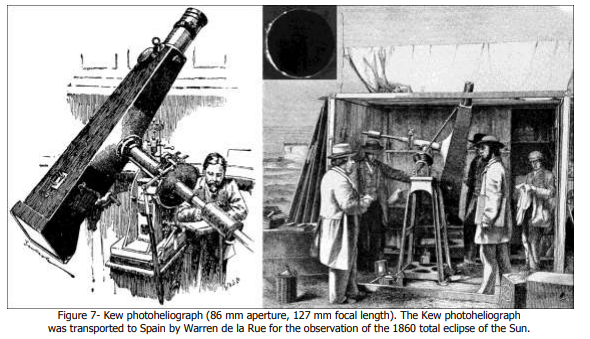
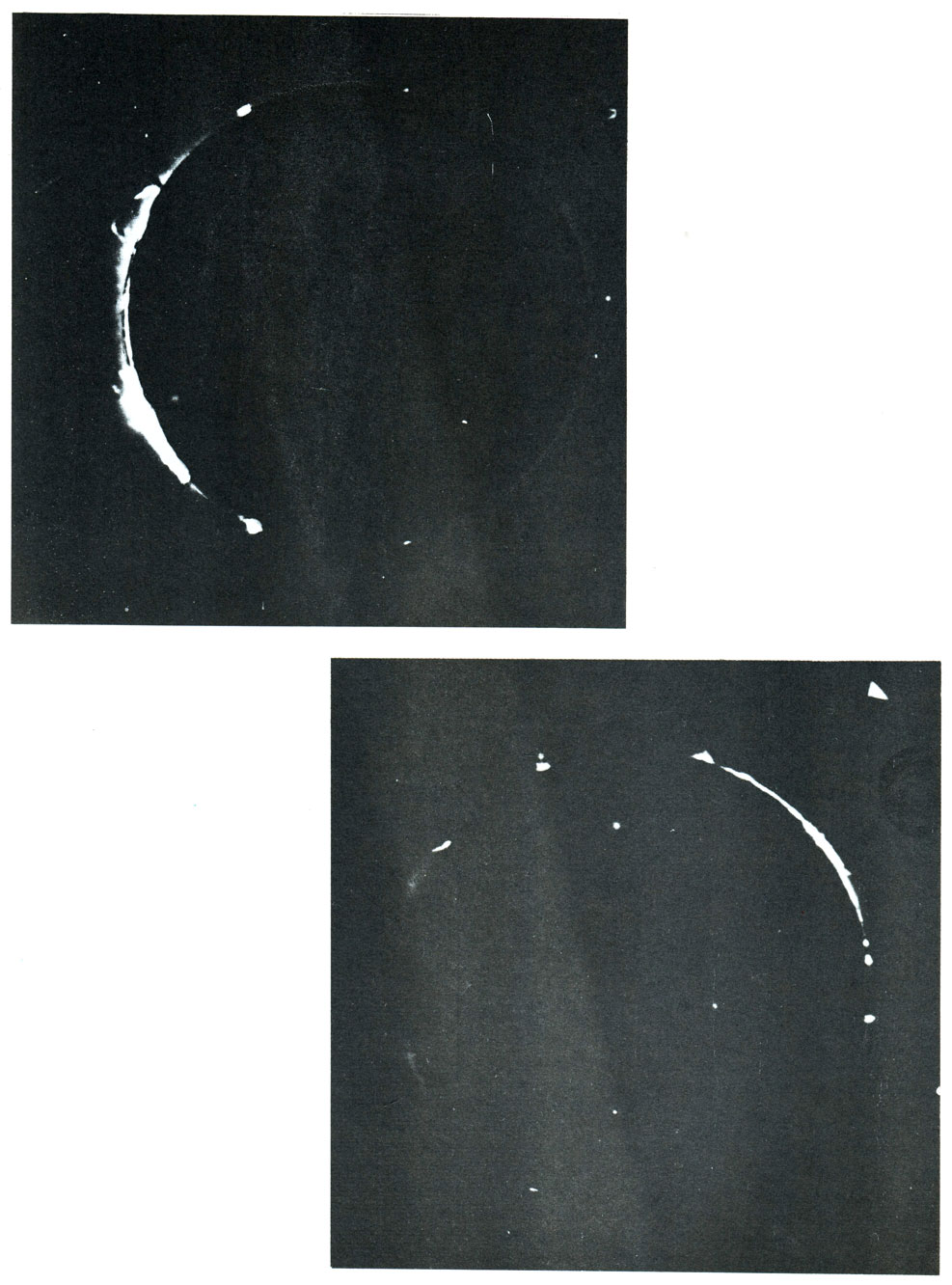
Warren De la Rue travels to Rivabellosa, Spain, to photograph the total solar eclipse of July 18 with the Kew photoheliograph. His aim is to study the bright features around the eclipsed Sun and establish their solar origin.
The expedition transports a large instrument and a heavy mount. Clouds, a small fire and crowds of spectators complicate the work, but De la Rue obtains a successful series, including photographs during totality.
The eclipse images record prominences near the beginning and end of totality. Comparing photographs makes it possible to study details that are difficult to judge during a brief visual observation.
1861
James Clerk Maxwell demonstrates color photography using three separate exposures through colored filters. Combining separate color records remains central to modern astronomical imaging, including RGB and LRGB workflows.
1861
Warren De la Rue mentions the possibility of conducting a photographic survey to create a complete star map of the sky.
1864
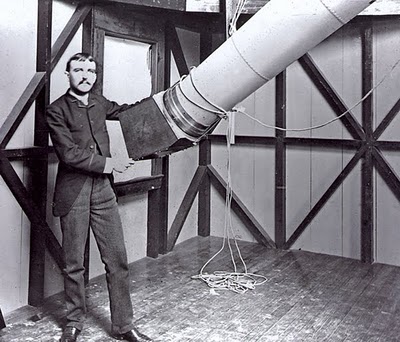
Henry Draper (1837–1882) photographs the Moon using a 15.5-inch (40 cm) reflector he built between 1864 and 1865.
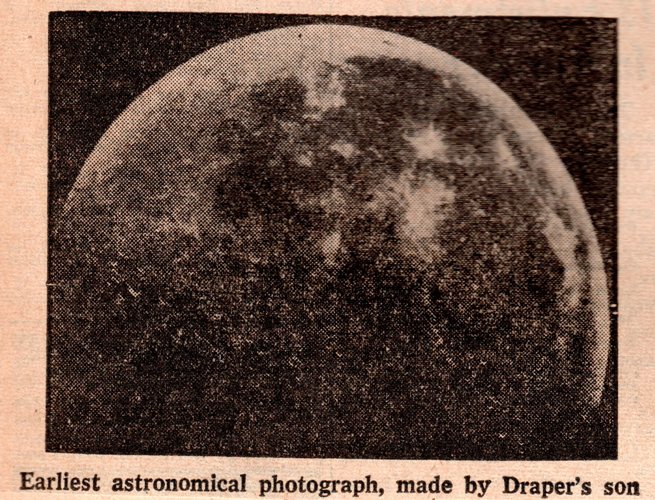
By the way, yes, Henry was the son of John William Draper, the man who made the first photograph of the Moon.
This small lunar crater (above and to the left) is named after him:
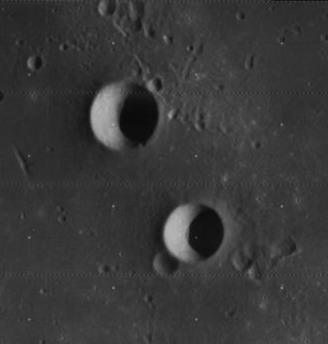
The crater below and to the right has the same name with the “C” designation.
1864
William Huggins observes the spectrum of NGC 6543, the Cat’s Eye Nebula. Bright emission lines reveal that it contains luminous gas, rather than simply being an unresolved collection of stars. This is a spectroscopic observation, included here because it changes how astronomers interpret the objects they photograph.
1865
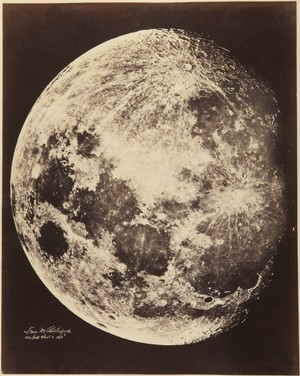
Lewis Morris Rutherfurd photographs the Moon with an 11.25-inch (29 cm) telescope designed for photographic work. Its optics are corrected for the wavelengths to which photographic materials are sensitive, an important step in the development of the astrograph.
The photographic sky
1871
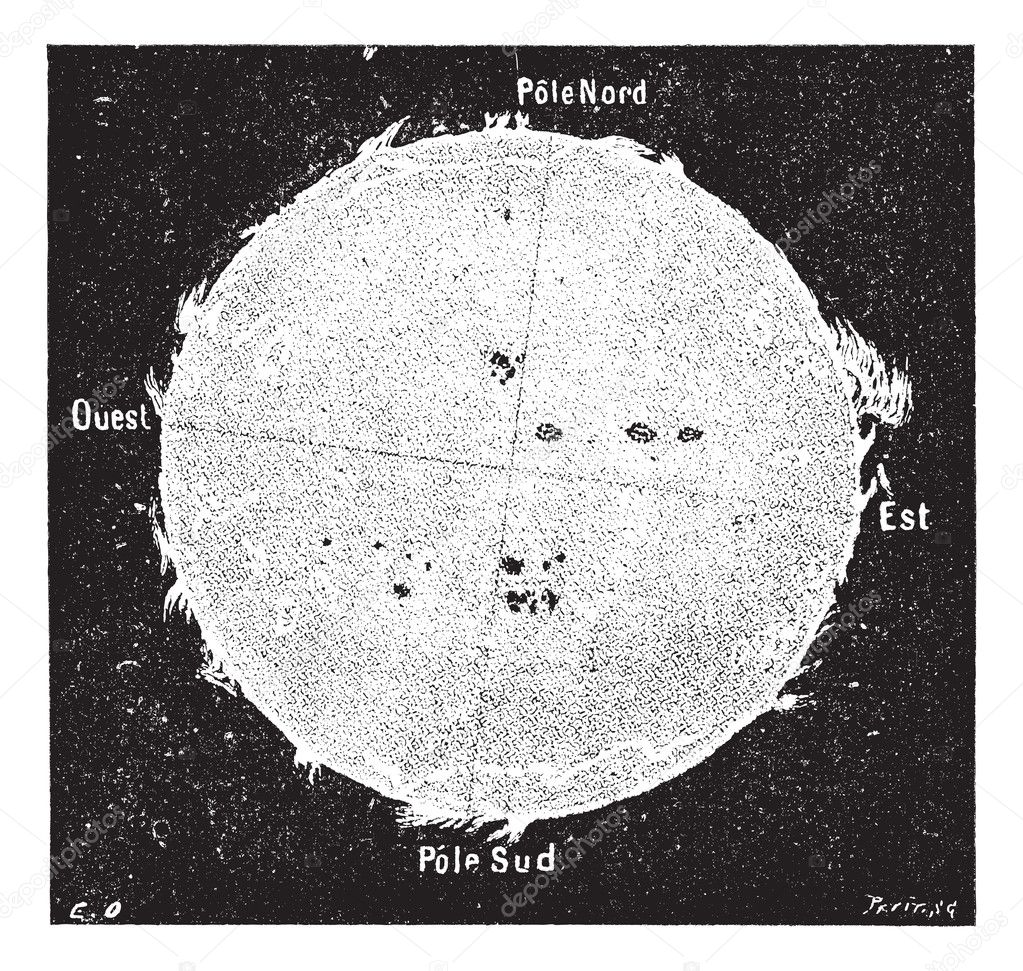
Hermann Carl Vogel (1841–1907) photographs the Sun at Bothkamp, Germany, with an 11.5-inch (29.4 cm) refractor. An electric shutter allows very short exposures, helping to freeze fine solar detail.
The illustration below is dated to the same year, but its connection to Vogel’s photographs and the identity of its illustrator remain uncertain.
Vogel goes on to make major contributions to stellar spectroscopy and radial-velocity measurements. His work helps turn the recording of starlight into a way of investigating the physical properties and motions of stars.
1872
Henry Draper photographs the spectrum of a star for the first time in history. The target was Alpha Lyrae (Vega) and he used a 28-inch (72 cm) reflector equipped with a quartz prism.
1873
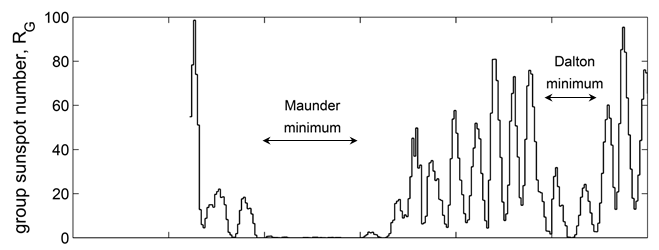
Edward Walter Maunder (1851–1928) installs a photoheliograph at the Royal Observatory in Greenwich for daily solar imaging. Maunder is best known for his studies of sunspots and the solar magnetic minimum that occurred between 1645 and 1715, now known as the Maunder Minimum.
Here is a graph showing the dramatic drop in sunspot numbers during that period:
1874
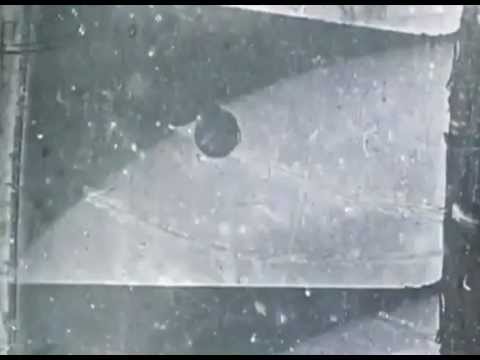
Pierre Jules César Janssen develops a photographic revolver to record the transit of Venus in December 1874. The instrument takes a sequence of exposures on a plate, an early example of using successive photographs to study motion.
1875
Henry Draper photographs the spectra of bright stars using an 11-inch (28 cm) refractor and a quartz prism placed next to the photographic plate.
1876
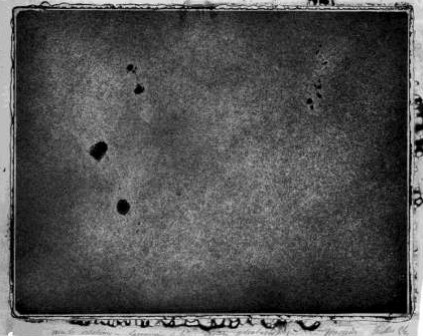
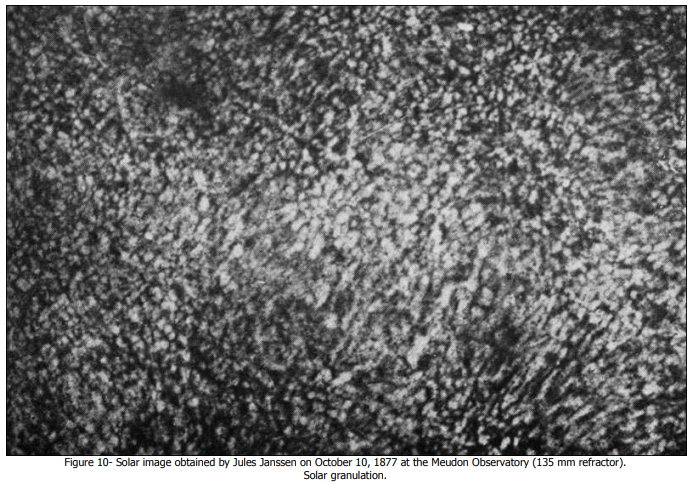
In 1876, Jules Janssen presents his first solar photographs to the French Academy of Sciences. These images, showing the Sun with diameters from 10 to 70 cm, were taken with a 140 mm refractor using exposures from 1/500 to 1/6000 second. In 1877 and 1878, Janssen obtains the first large collection of solar photographs showing solar granulation, the visible structure of the Sun’s photosphere.
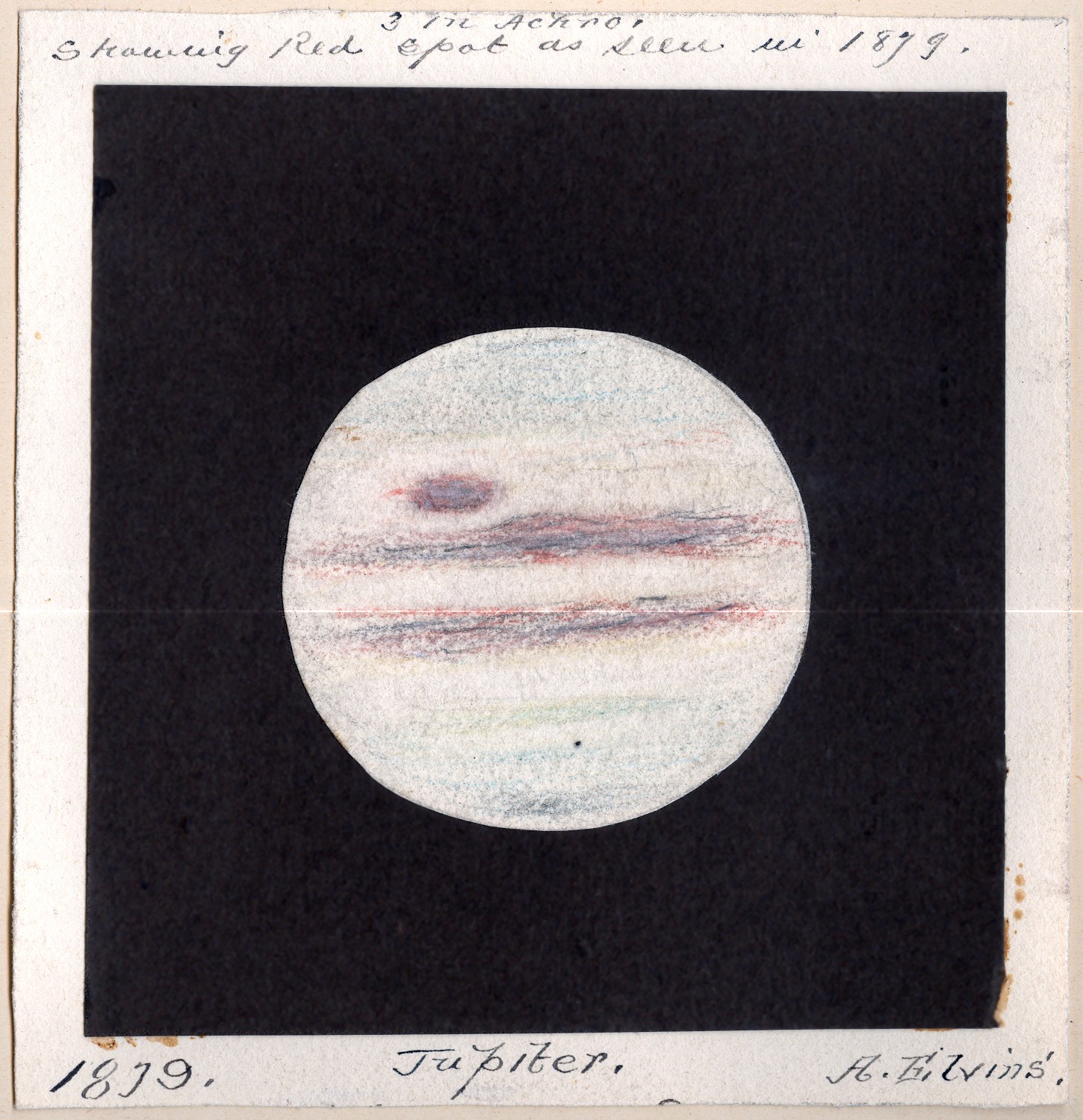
1879
Andrew Ainslie Common (1841–1903) photographs Jupiter using a 36-inch (91 cm) reflector with a focal length of 17.4 feet (5.30 m) and a 1-second exposure.
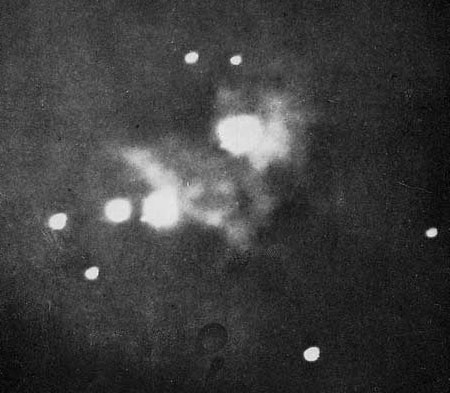
1880
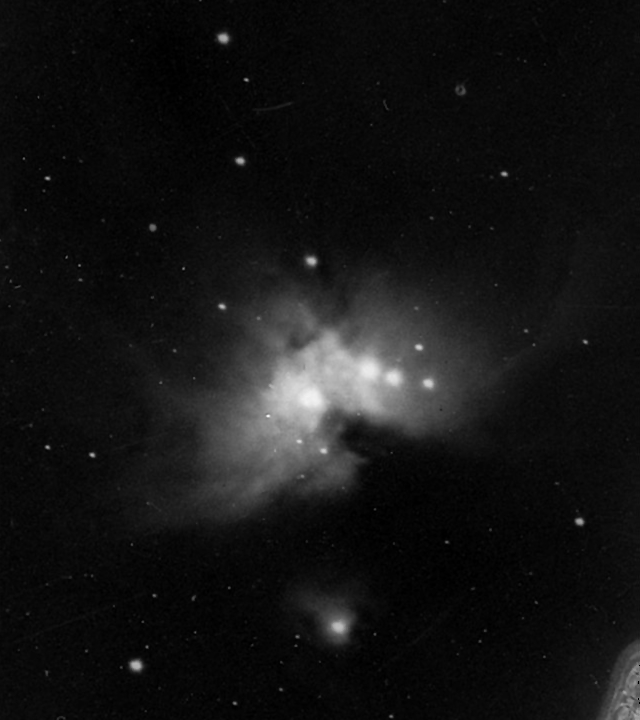
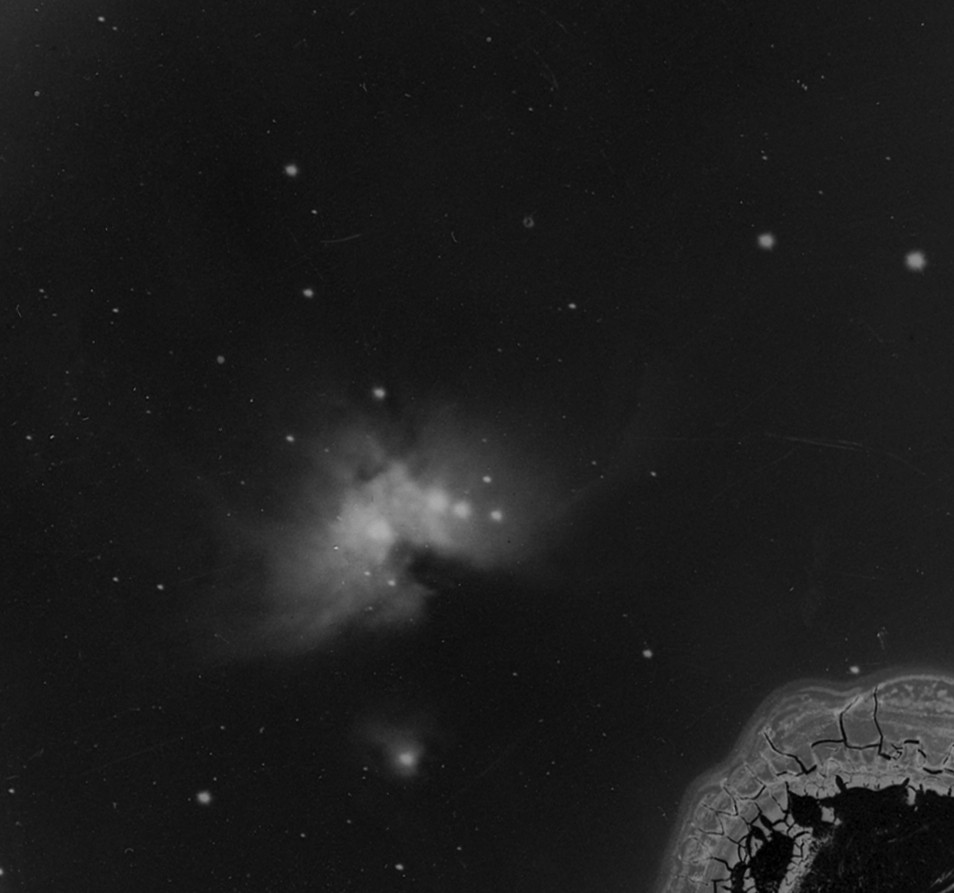
Henry Draper captures the first photograph of the Orion Nebula (M42) on September 30, 1880, using an 11-inch (28 cm) Alvan Clark refractor and a 51-minute exposure. He goes on to photograph M42 two more times: in March 1881 and on March 14, 1882, with even longer exposures of 104 and 137 minutes.
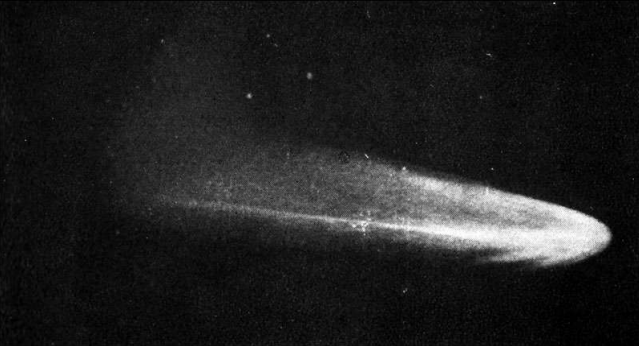
1881
It was once believed that Janssen was the first to successfully photograph a comet when he imaged Tebbutt’s Comet (1881 III) on June 30, 1881. Janssen used a 50 cm lens and a 30-minute exposure. The same comet was photographed by Henry Draper, Andrew Ainslie Common and Margaret Huggins. However, we now know that the true first comet photograph was made earlier by William Usherwood, who captured Donati’s Comet on September 27, 1858 (mentioned above).
1882
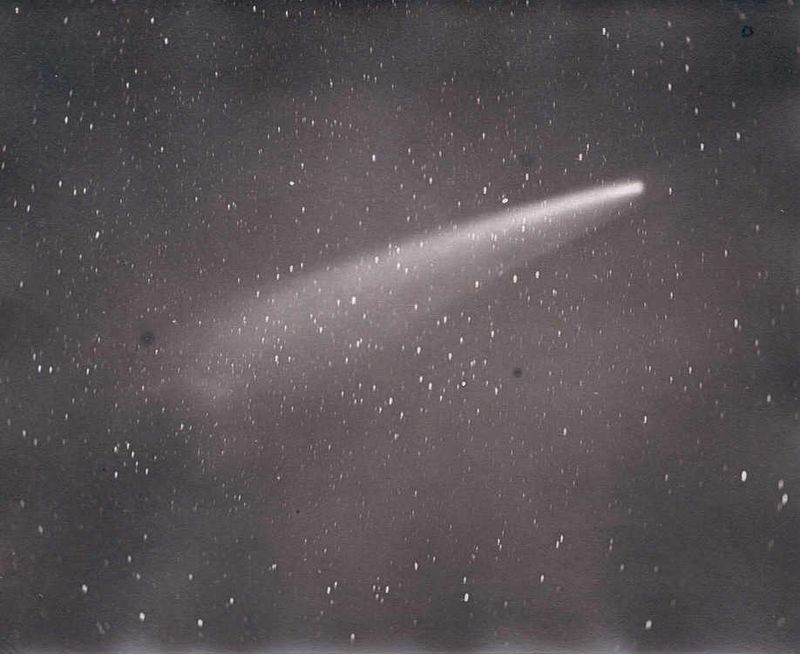
David Gill (1843–1914) photographs the Great September Comet of 1882 using a portrait lens with a 63 mm aperture (f/4.5).
1882
Henry Draper’s Orion Nebula photograph with an exposure of more than two hours:
1883
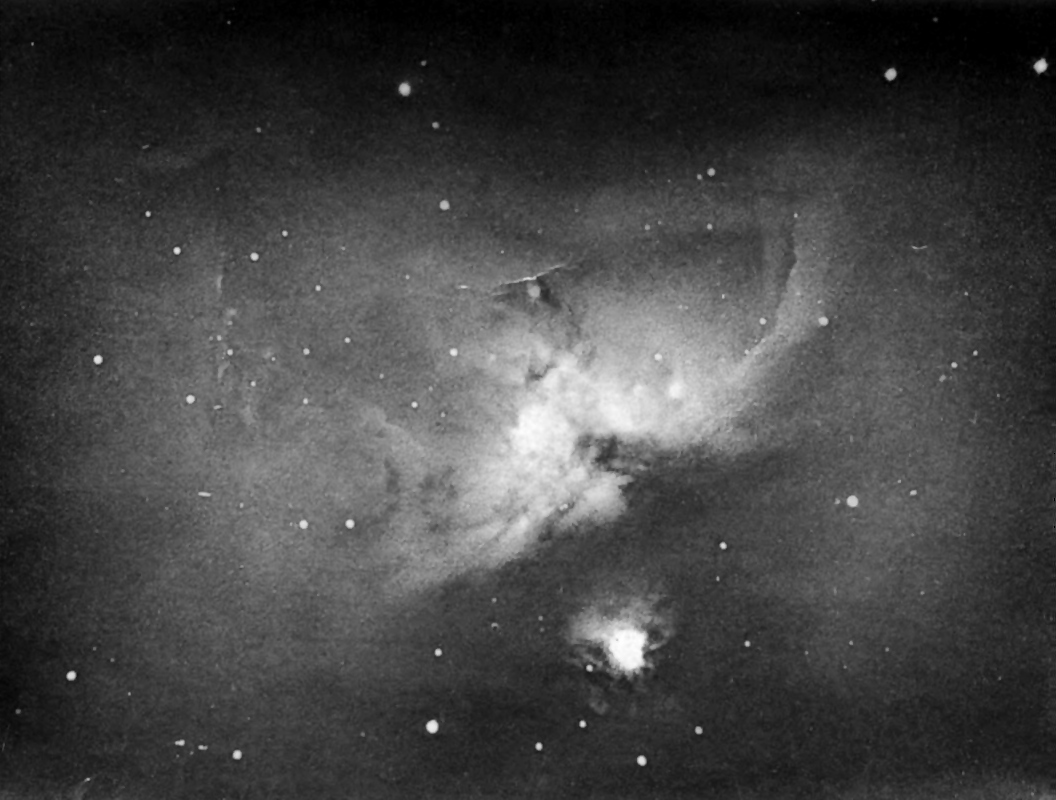
Andrew Ainslie Common photographs the Orion Nebula (M42) using his 36-inch (91 cm) reflector on January 30, 1883. The 37-minute exposure reveals stars too faint to see with the eye, appearing for the first time only on the photographic plate. On February 28, 1883, he obtains an even deeper image with a 60-minute exposure.
1885
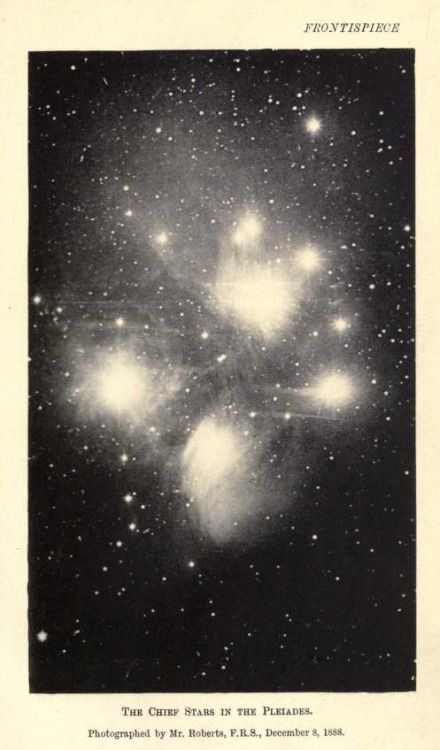
Between 1885 and 1899, Isaac Roberts (1829–1904) produces a remarkable series of astrophotographs and publishes two volumes of results (the first in 1893 and the second in 1899), both titled Photographs of Stars, Star Clusters and Nebulae.
Here is his photograph of the Pleiades, dated 1888:
1885
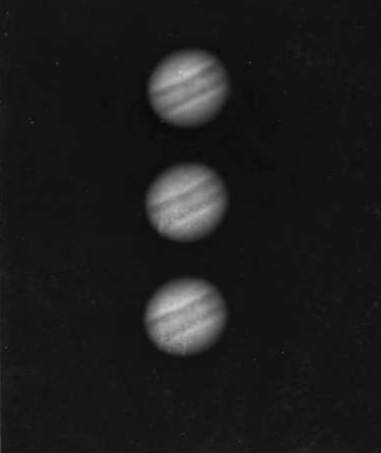
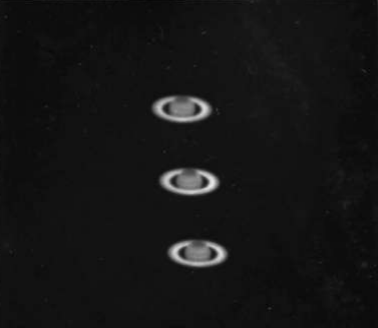
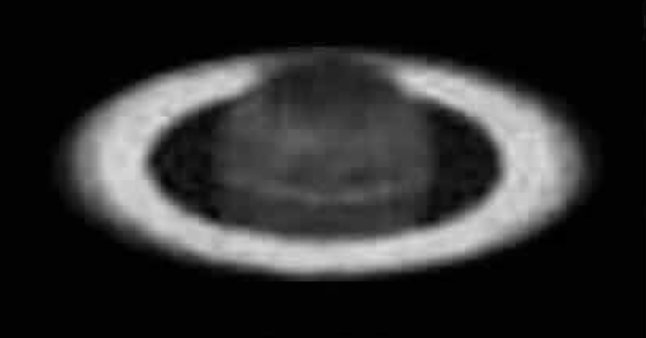
Between 1885 and 1886, the Henry brothers, Paul Henry (1848–1905) and Prosper Henry (1849–1903), photograph Jupiter and Saturn using the 33 cm refractor of the Paris Observatory (focal length 3.43 m).
1888
William Henry Pickering (1858–1938) uses a 13-inch Boyden refractor from Harvard to capture some of the earliest photographs of Mars, taken from Cambridge, Massachusetts.
1890
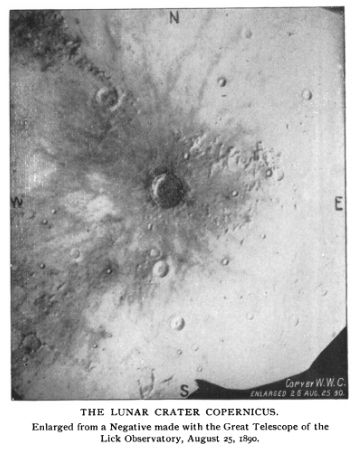
Edward Singleton Holden (1846–1914) produces high-resolution photographs of the Moon.
1894
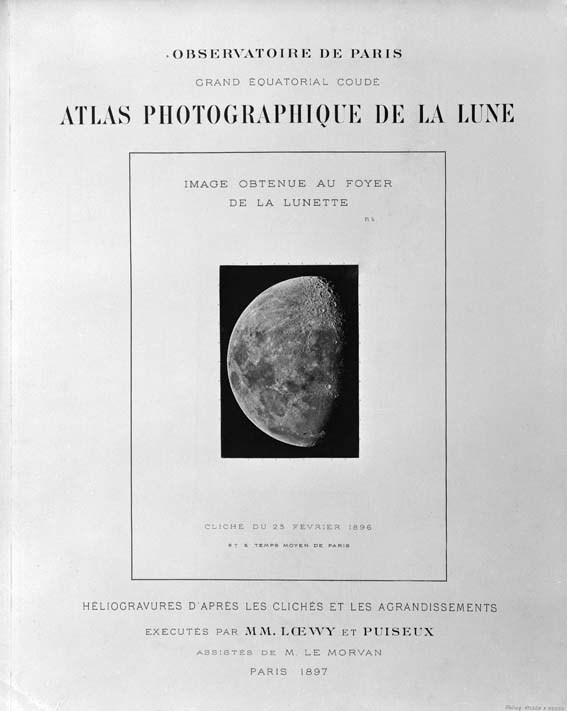
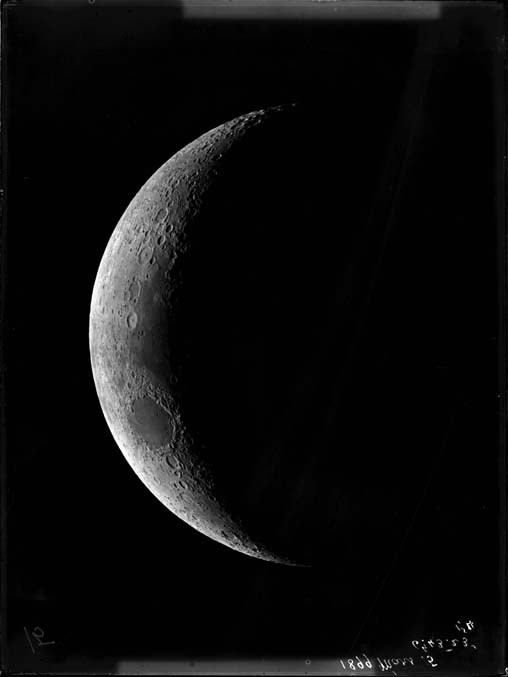
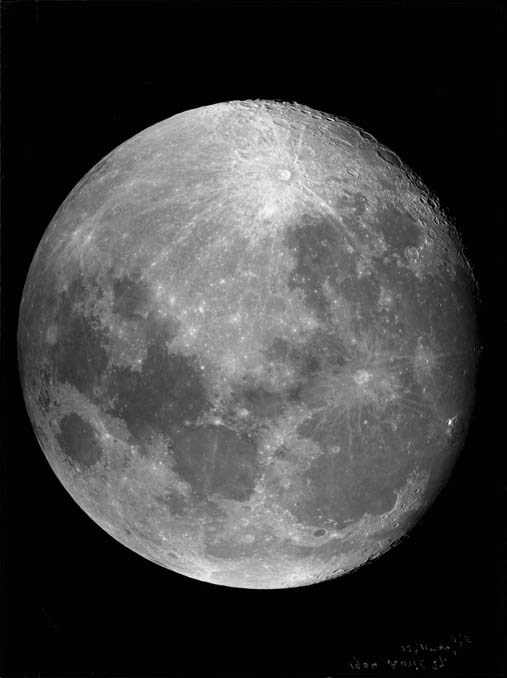
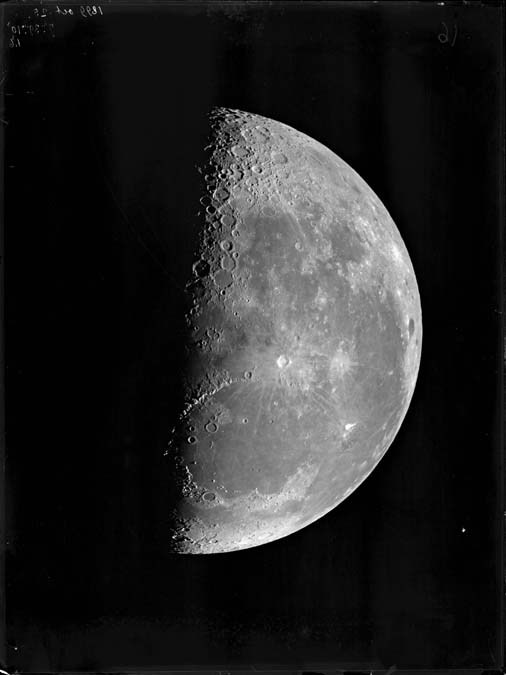
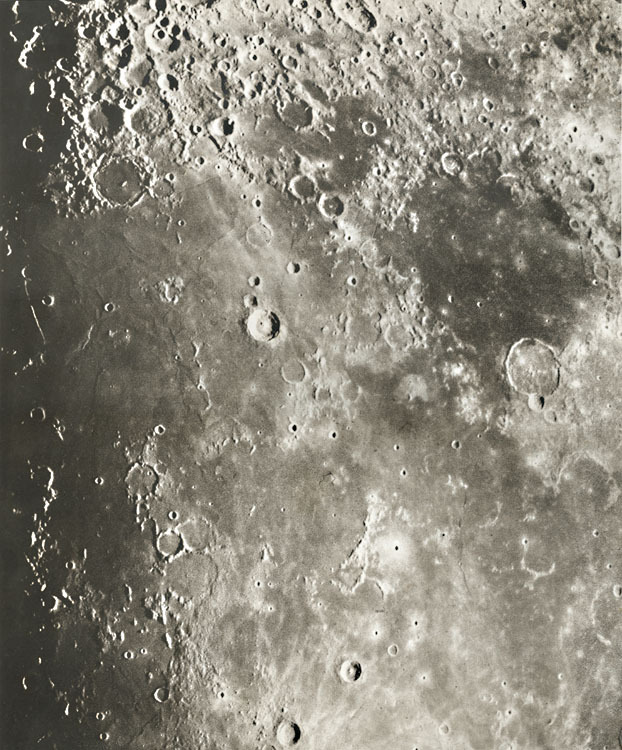
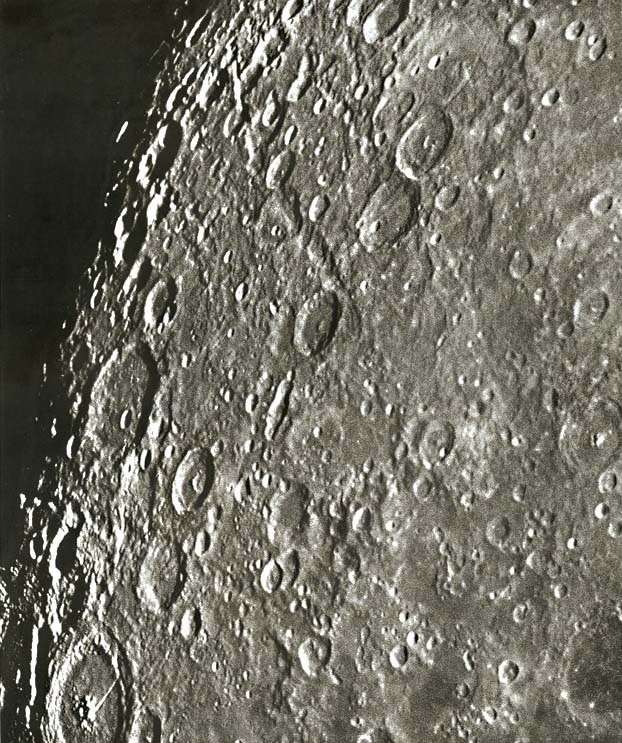
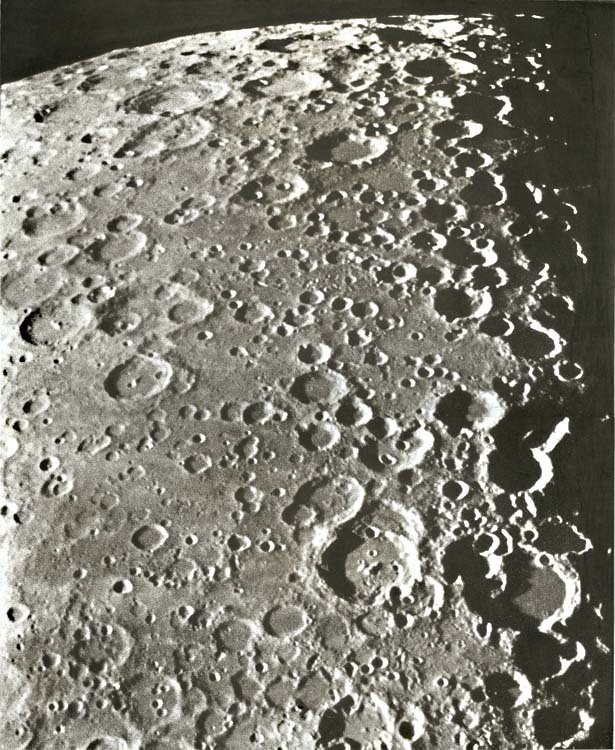
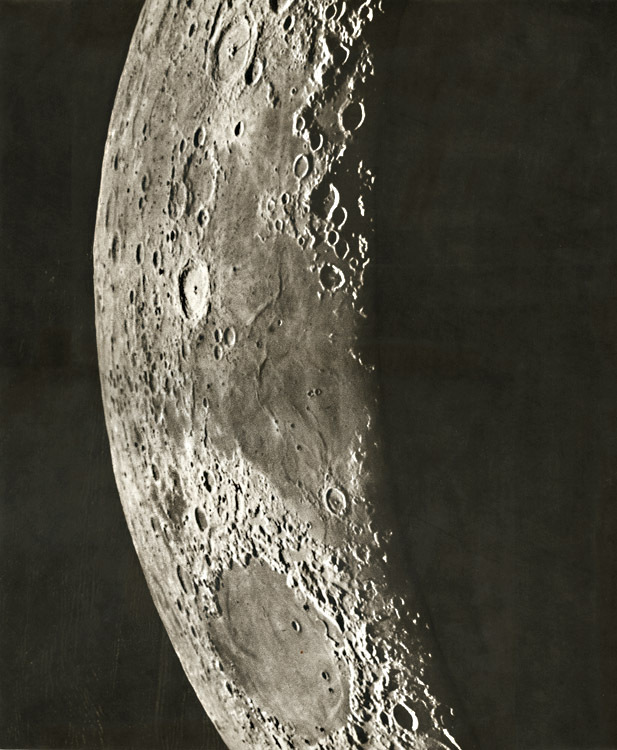
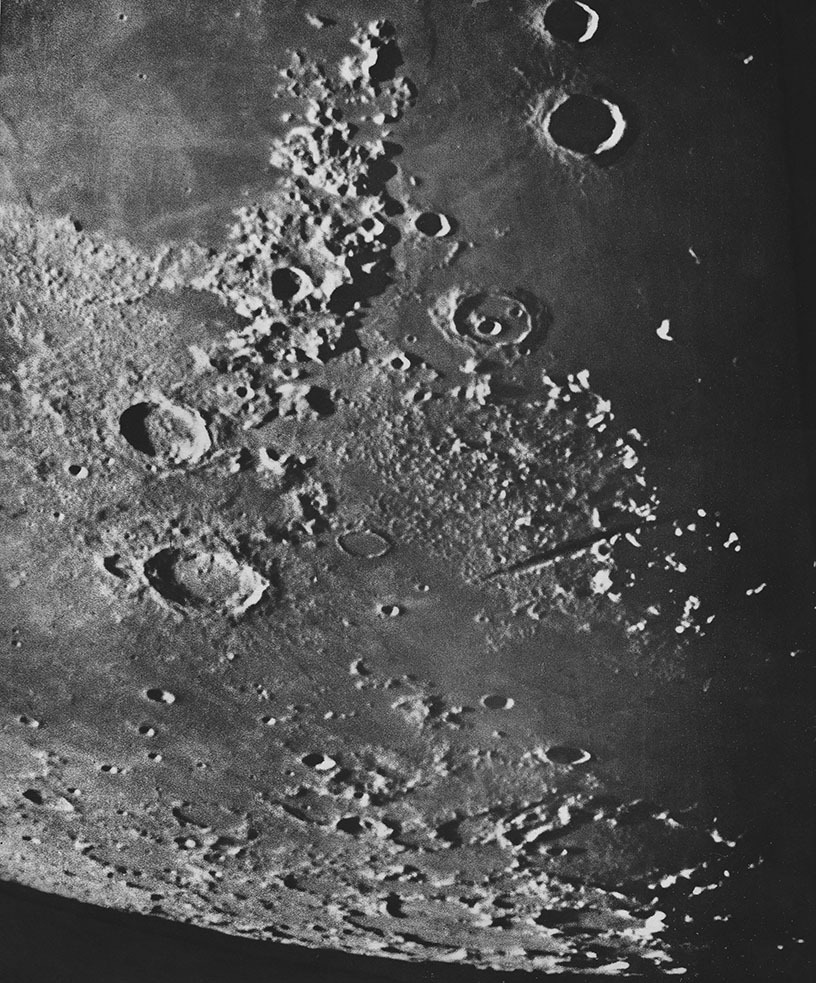
Between 1894 and 1910, Maurice Loewy (1833–1907) and Pierre Henri Puiseux (1855–1928) capture 6000 lunar photographs over 500 nights using the 60 cm Paris Observatory Coudé refractor. These images form the basis of the first complete lunar atlas, L’Atlas Photographique de la Lune.
1898
William Edward Wilson uses his cinematic-style apparatus to record sunspots. It was capable of taking 100 photographs per hour.
1899
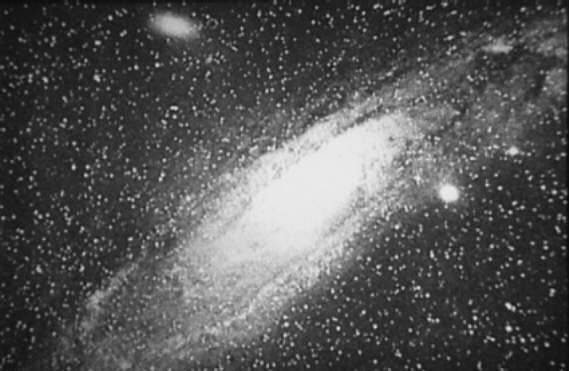
Julius Scheiner (1858–1913) records the spectrum of the Andromeda Nebula, M31, with an exposure of more than seven hours. Its spectrum supports the view that the object’s light comes largely from stars.
The illustration below is a separate photograph of Andromeda by Isaac Roberts, rather than Scheiner’s spectrum.
A larger universe
1901
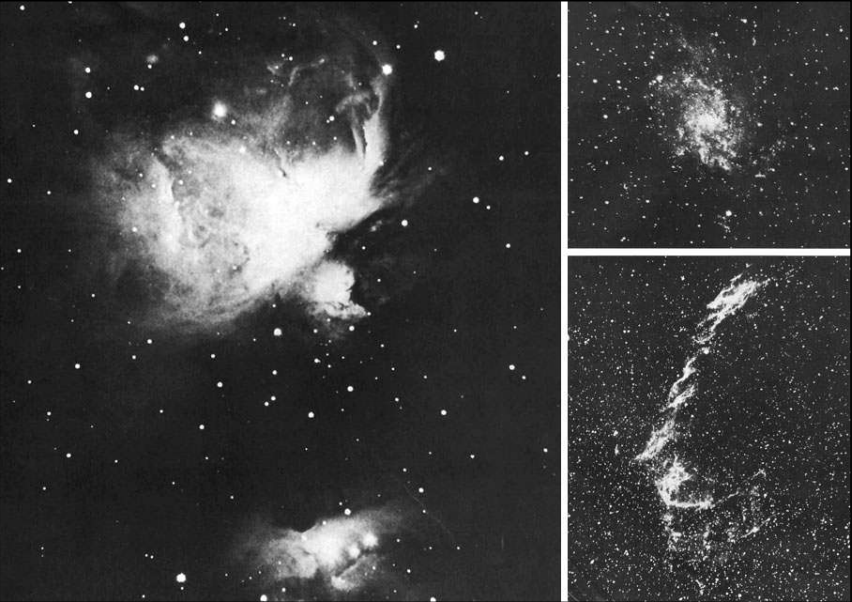
At the beginning of the twentieth century, George Willis Ritchey develops techniques for photographing faint nebulae with large reflecting telescopes.
For comparison, the images below were made by William Edward Wilson with a 60 cm Grubb reflector. They show M42 in 1897, M33 in 1899 and NGC 6992 in 1899, each with a ninety-minute exposure.
1903
Pierre Janssen publishes his monumental photographic solar atlas, Atlas de Photographies Solaires.
1909
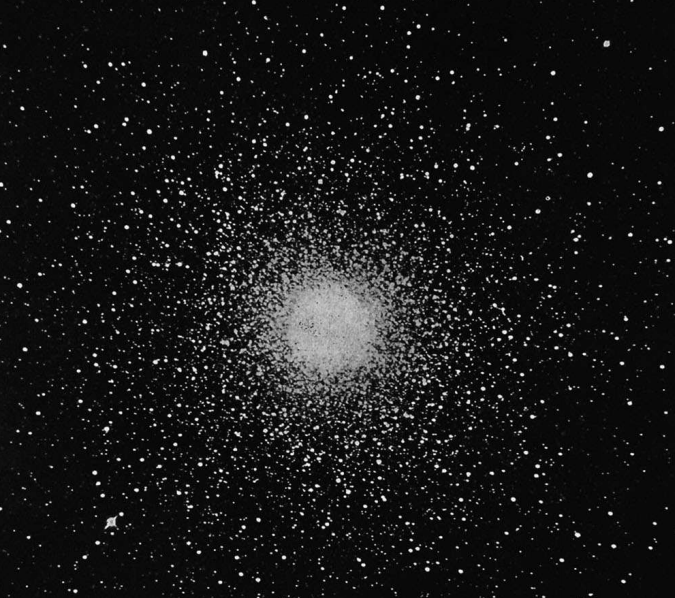
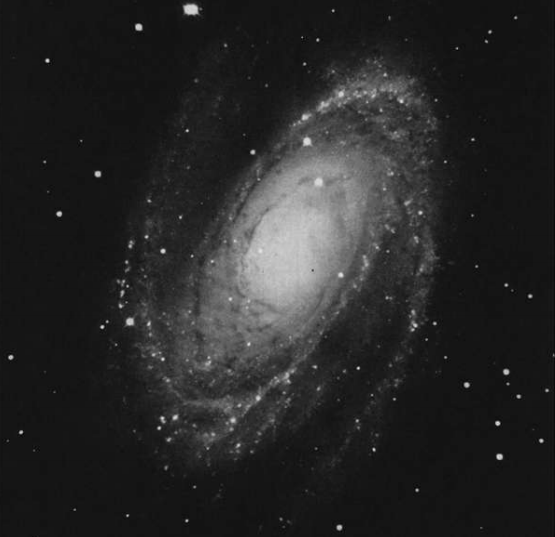
George Willis Ritchey records several star clusters and nebulae with the Mount Wilson reflector using exposures of up to 11 hours spread over multiple nights.
For example, here is M3:
And here is his image of Bode’s Galaxy, taken a few years later:
1911
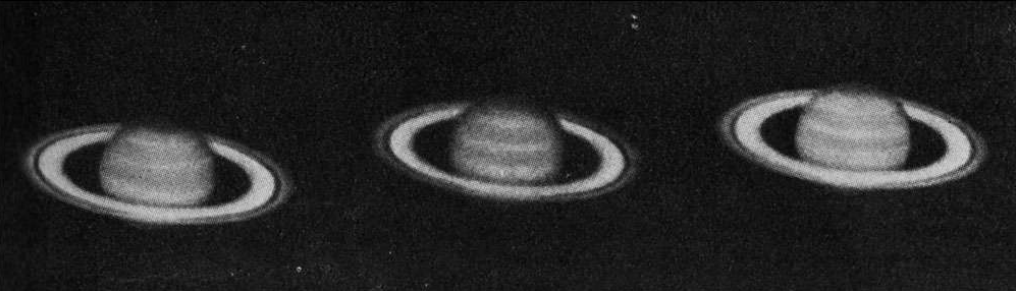
Edward Emerson Barnard captures excellent photographs of Saturn using the 1.52 meter Mount Wilson reflector.
1913
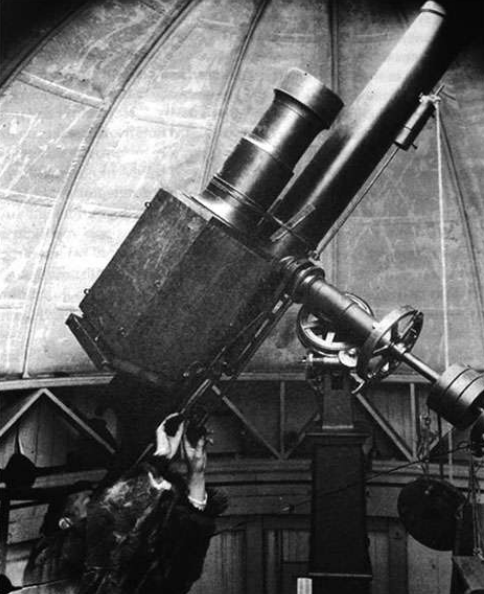
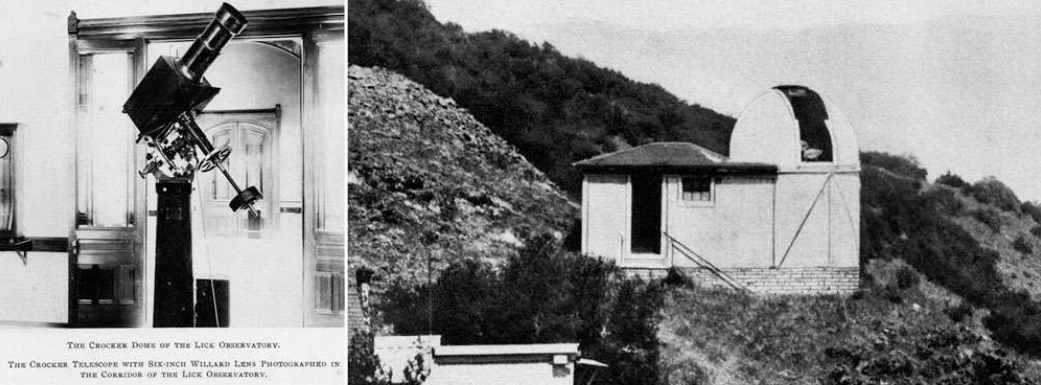
Edward Emerson Barnard publishes Photographs of the Milky Way and of Comets in Publications of the Lick Observatory, volume 11. These images were taken between 1892 and 1895 using the Crocker telescope.
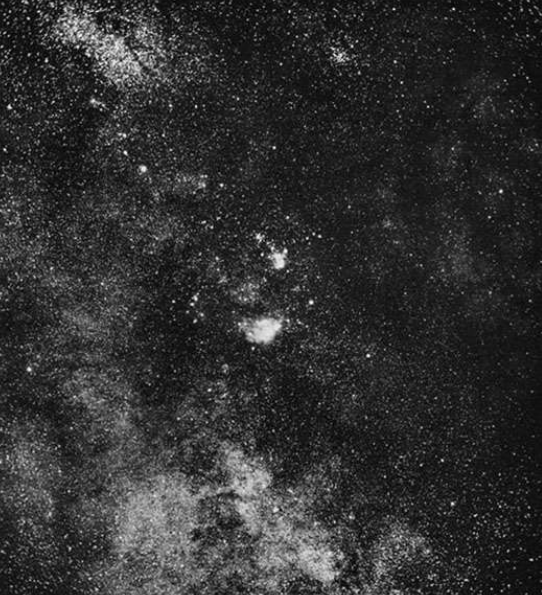
And here are photographs of the instrument itself:
And photos from Mount Wilson Observatory, the Bruce telescope and Barnard himself:
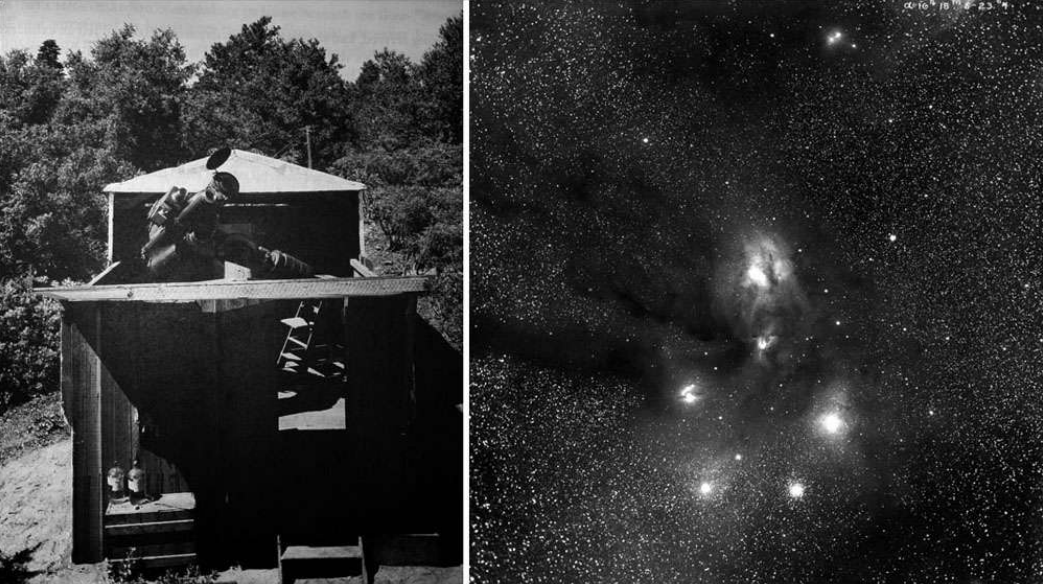
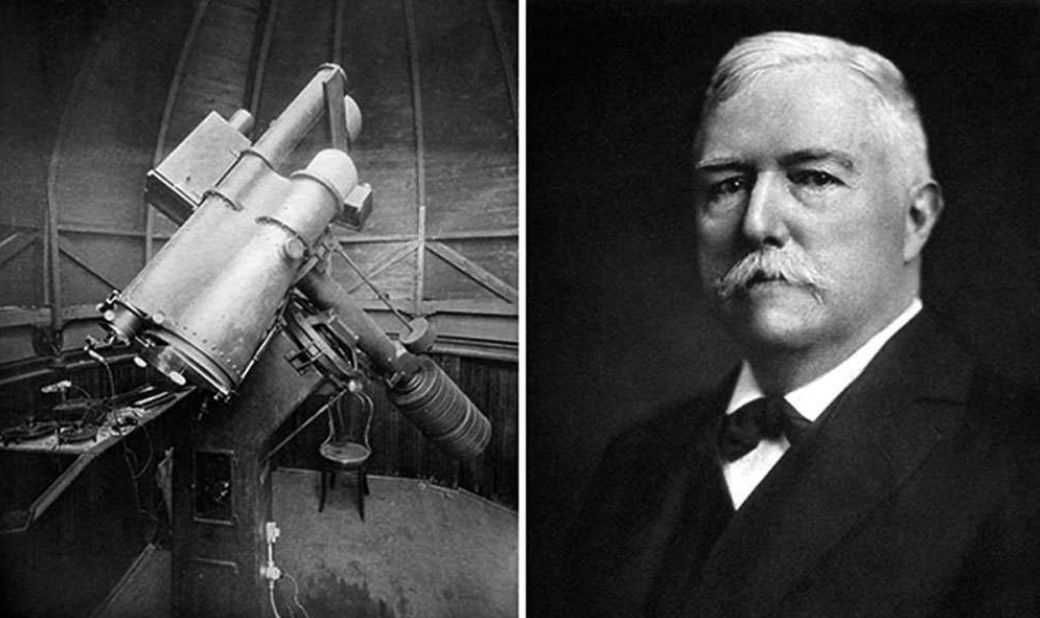
The Milky Way in the constellation Ophiuchus:
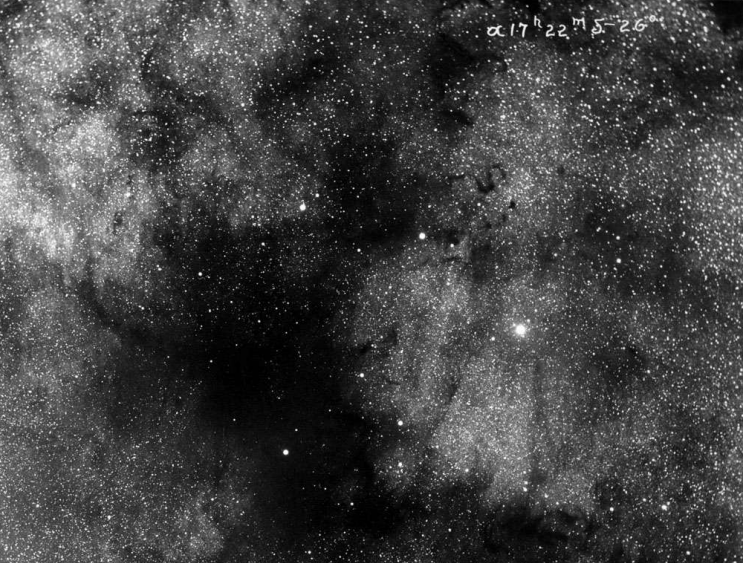
Objects named in Barnard’s honor include:
a lunar crater a Martian crater a galaxy a region on Ganymede a mountain in California asteroid (907) Rhoda, named after his wife
1924
Using the 2.54 m Hooker telescope, Edwin Hubble identifies Cepheid variable stars in Andromeda. Their brightness variations allow him to estimate its distance and demonstrate that it lies far beyond the Milky Way.
His original estimate of roughly 800,000 light-years is later revised upward. The essential discovery holds: the universe contains galaxies beyond our own.
1927
Publication of A Photographic Atlas of Selected Regions of the Milky Way, released four years after Barnard’s death. Most of the atlas photographs (40 out of 50) were taken at Mount Wilson Observatory using the Bruce telescope.
1929
Edwin Hubble discovers that the redshift of galaxies increases with their distance from the Milky Way, now known as Hubble’s Law. This becomes key evidence showing that the universe is expanding.
1929
From 1929 to 1934, French astronomer Marcel de Kerolyr photographs nebulae and galaxies using the 80 cm reflector at the astrophysical station of the Paris Observatory in Haute-Provence.
1930
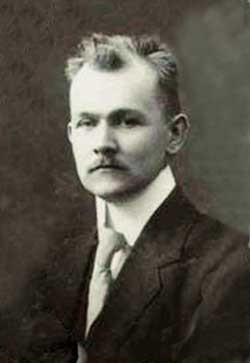
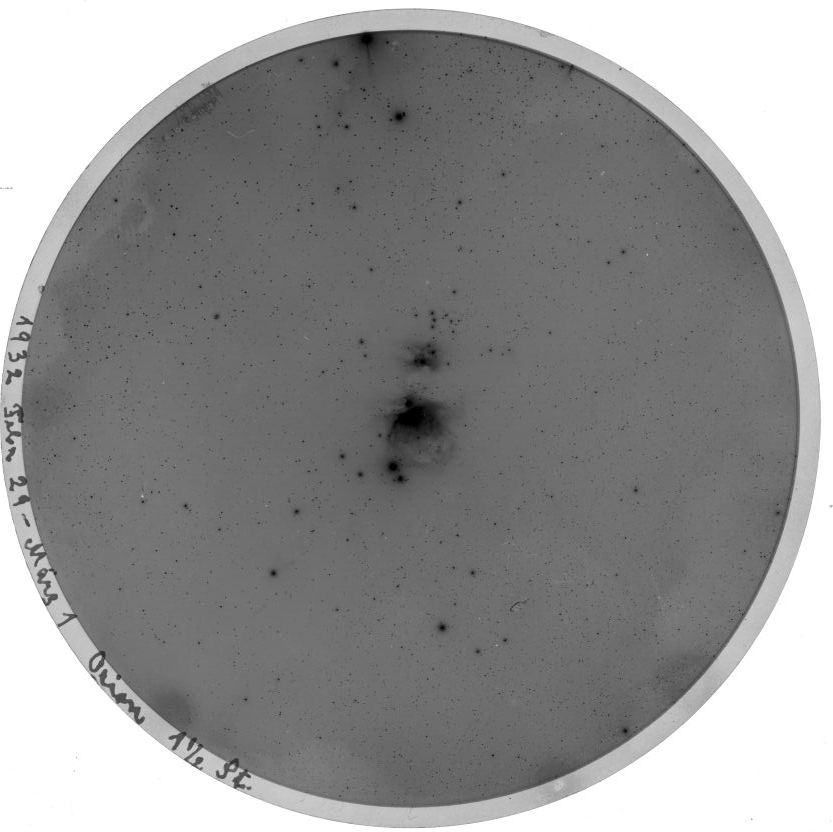
Bernhard Schmidt introduces a wide-field photographic telescope at Hamburg Observatory. Its spherical primary mirror works with a specially shaped corrector plate to control optical aberrations across a large field.
The Schmidt camera becomes an important instrument for photographic sky surveys. Its curved focal surface can be accommodated with curved photographic plates. Later optical designs, including the Schmidt–Cassegrain, build on the combination of mirrors and a corrector plate.
The second illustration below shows an early Schmidt-camera photograph of the Orion Nebula, made on February 1, 1932, with a ninety-minute exposure.
1936
Milton Lasell Humason (1891–1972) photographs galaxies at distances of 240 million light years using the Hooker telescope.
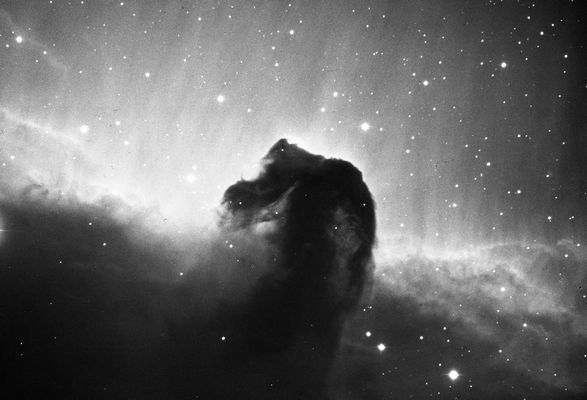
The Horsehead Nebula (B33), photographed by Humason with the 200-inch reflector, 1951.
1948
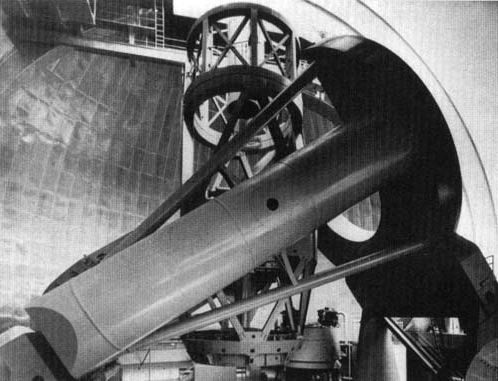
The new 200-inch (5.08 m) Hale Telescope at Palomar Observatory marks the next great increase in the scale of photographic astronomy. The telescope is dedicated in 1948; its first-light observations follow in 1949.
This is where our timeline pauses. In little more than a century, astronomical photography has grown from tentative lunar images into a tool for exploring other galaxies. Digital detectors and space telescopes will take the story much further.
Astrophotography still asks for patience, careful technique and a willingness to experiment. Looking at these early plates, it is easy to recognize the same curiosity that draws us outside with a camera today.
If you notice an inaccurate date or a misidentified photograph, please get in touch so the article can be corrected.