Thank you for sharing your photos - this is exactly what this project is all about! :-)
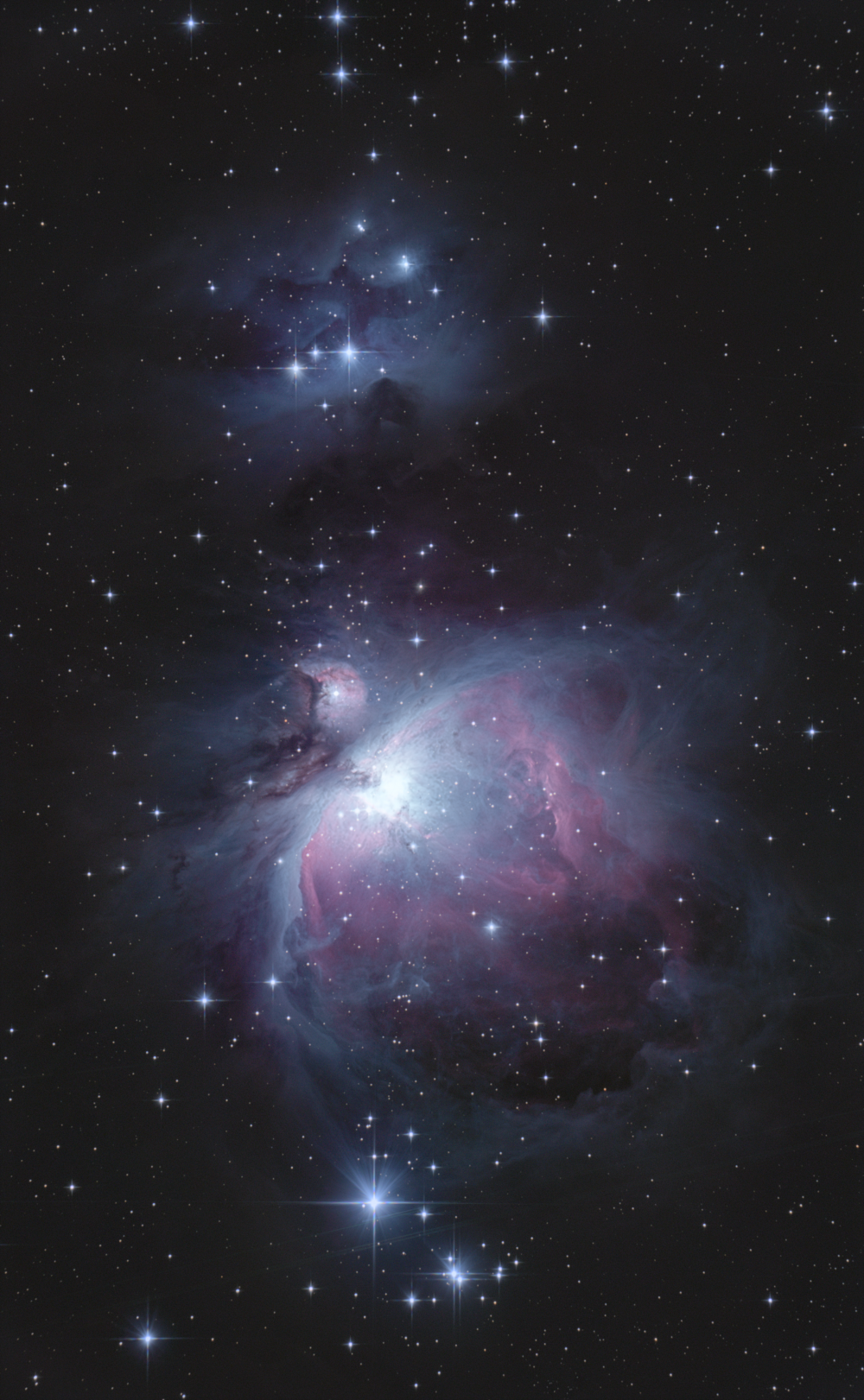
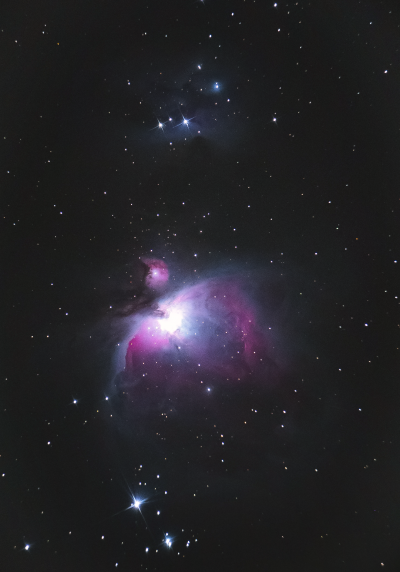
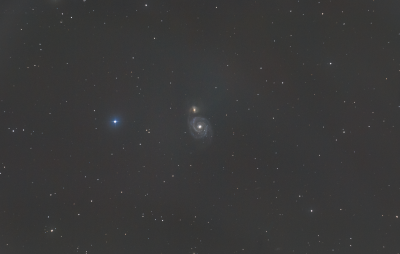
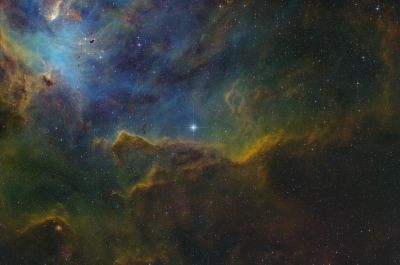
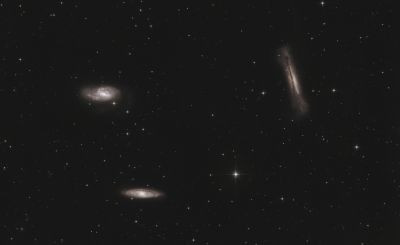
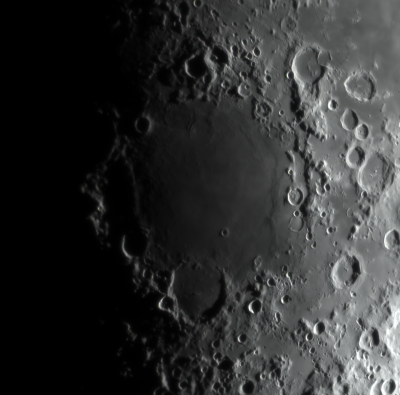
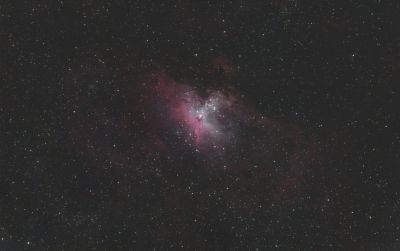
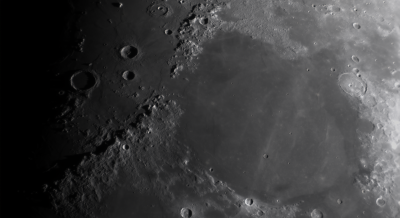
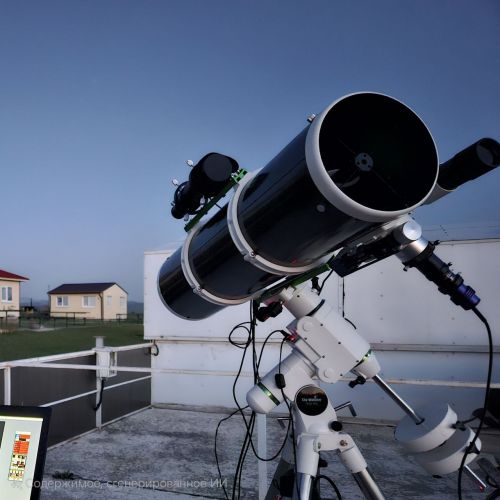
That night, many new things were tested: a cast secondary spider from CYCK, a baffle from Konstantin Tuzikov, and a clean mirror. Also, by changing the settings in EQmod and the calibration in PHD2, I achieved stable guiding at 0.5" for the entire night (a record).
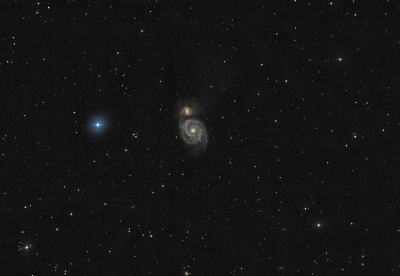
So full-frame is cool, but what about vignetting? The secondary mirror of our telescope can't fully illuminate that entire sensor. It's clear that flats were used, but still, there simply can't be any light in the corners.
Hmm, I didn't apply flats, by the way, because they turned out to be bad. There actually is signal there, and it's even decent. I just stretched the histogram in Siril right now, and it hardly goes into the black. Also, vignetting probably played a significant role, as it wasn't much larger than the frame overlap area, which gets cropped anyway.
Indeed. Probably only a new secondary mirror will do, but we likely won't find out soon, because a new camera arrived for me today (QHY268M + CFW3M-US), and it's not full-frame, but APS-C. Now I need to switch to N.I.N.A., figure out plate solving and auto-focusing. APT is certainly good, but its manual nature, lagginess, etc. It's time to move to the stage of "start the sequence and go drink tea in the car"))
20 Nov, 2025
Reply
Comments are available only to registered users. Register or log in to leave a comment.

Comments
Comments are available only to registered users. Register or log in to leave a comment.